Is it normal to grieve a pet more than a person?
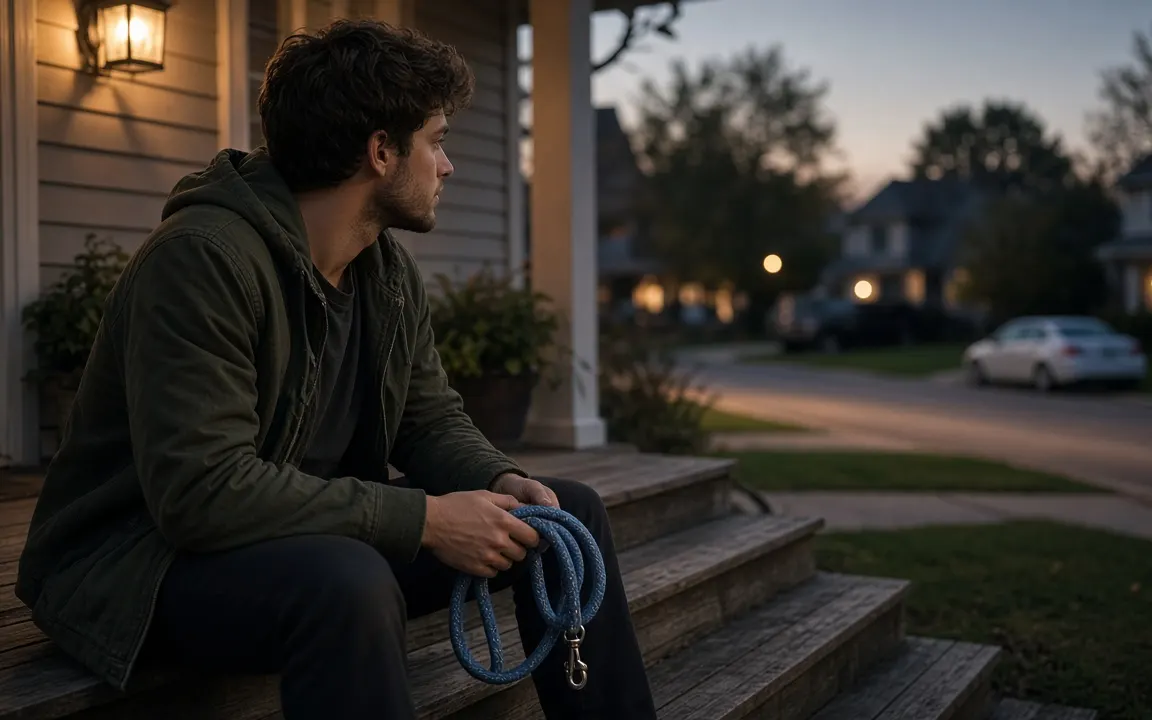
Yes. In a 2026 UK study, 21.0%[1] of adults who had lost both a pet and a person said the pet's death was their most distressing bereavement. Grief follows closeness and daily presence, not species, so missing your pet more than a relative says nothing bad about you.
By the Pet Loss Grief Support Resources editorial team · Updated September 24, 2026 · 4 min read · Sources
- What the research actually found
- Why a pet's death can cut deeper
- Letting go of the guilt about ranking losses
The short answer
Do other people grieve pets more than people too?
Many do, and they're often too embarrassed to say so. The clearest evidence comes from a 2026 study of 975 UK adults published in PLOS ONE. Among people who had lost both a beloved animal and a human, 21.0%[1] named the pet's death as the one that distressed them most. That's roughly one in five.
21.0%[1]
One market research report points the same way: 40%[2] of owners say their grief after a pet's death equals or exceeds grief for a human loss. And the same UK study found rates of prolonged grief after a pet's death close to those after losing a close friend, sibling or partner[3]. Harvard Health's write-up of the research reached the same conclusion. Across the whole population, by our estimate about 7 in every 100 UK adults[4] may have had a pet's death hit harder than any human loss.
The reasons
Why can a pet's death hurt more than a relative's?
The most important finding in grief research is simple: how close you were predicts how much it hurts, whatever the species[5]. For many people, a pet is closer in daily terms than most relatives. A few reasons come up again and again:
- Every-day presence. You saw your dog every morning and night for 12 years. You may have seen an aunt twice a year.
- An uncomplicated bond. Human relationships carry history, disagreements and mixed feelings. Pets usually don't, so grief for them isn't softened by ambivalence.
- Total dependence. You fed them, nursed them and made their medical decisions. Losing someone you cared for so completely hits a particular nerve.
- Physical closeness. For many people, especially those living alone, a pet provided most of their daily touch.
- No rituals to carry you. A human death brings a funeral, cards and time off. A pet's death often brings a normal Monday.

Compared with losing a person, losing your pet felt...
Tap an answer to vote and see how others answered. Anonymous.
The uncomfortable part
Does grieving a pet more mean you loved the person less?
No. Grief isn't a ranking of love. It reflects how much of your daily life a loss removes, how complicated the relationship was, where you were in life when it happened, and how much support you had. A grandparent who died when you were busy with young children, and a cat who died when you lived alone, sit in very different parts of a life.
Human grief is also often shared and structured. Family gathers, there's a funeral, people check in. That support can soften human loss in a way pet loss rarely gets. In the RSPCA's pet bereavement survey, only 13.4%[6] of bereaved owners felt fully understood by others. Loneliness makes any grief heavier.
Grief measures how much of your life someone filled, not how much they were worth.
Other people
How do you handle people who think it's an overreaction?
You'll probably meet some. 34.5%[7] of bereaved owners in the RSPCA survey had been told "it's just a pet", and 57.1%[8] felt they had to hide their grief. If you say out loud that this hurt more than a relative's death, expect raised eyebrows from some people.
- You don't owe anyone a comparison. "My dog died and I'm having a hard time" is enough.
- Choose who hears the full version. Save it for people who've loved an animal themselves.
- A pet loss support group is one place where saying it won't shock anyone.
- If a family member is hurt by the comparison, you can say: "It's not about who mattered more. It's about how much of my day she was."
Most people do see pets as family. A 2015 Harris Poll found 95%[9] of US owners considered their pets family members. The gap is usually between how people feel about their own animals and how seriously they take someone else's loss.
Layered losses
Why can losing a pet bring back grief for a person?
Sometimes the pet was a living link to someone who died: a parent's dog you took in, a cat you adopted in the year your partner was ill. When the animal dies, it can feel like losing that person again, or grieving them properly for the first time. That's one reason pet grief sometimes seems out of proportion. It may be carrying more than one loss.
If that's what's happening, it's worth talking to someone trained in bereavement. Layered grief is exactly the kind of thing one-to-one support handles well. Our guide to professional grief counseling for pet loss explains who to look for, and our comparison of group and individual support can help you decide which fits.
Moving through it
What helps when your grief feels bigger than expected?
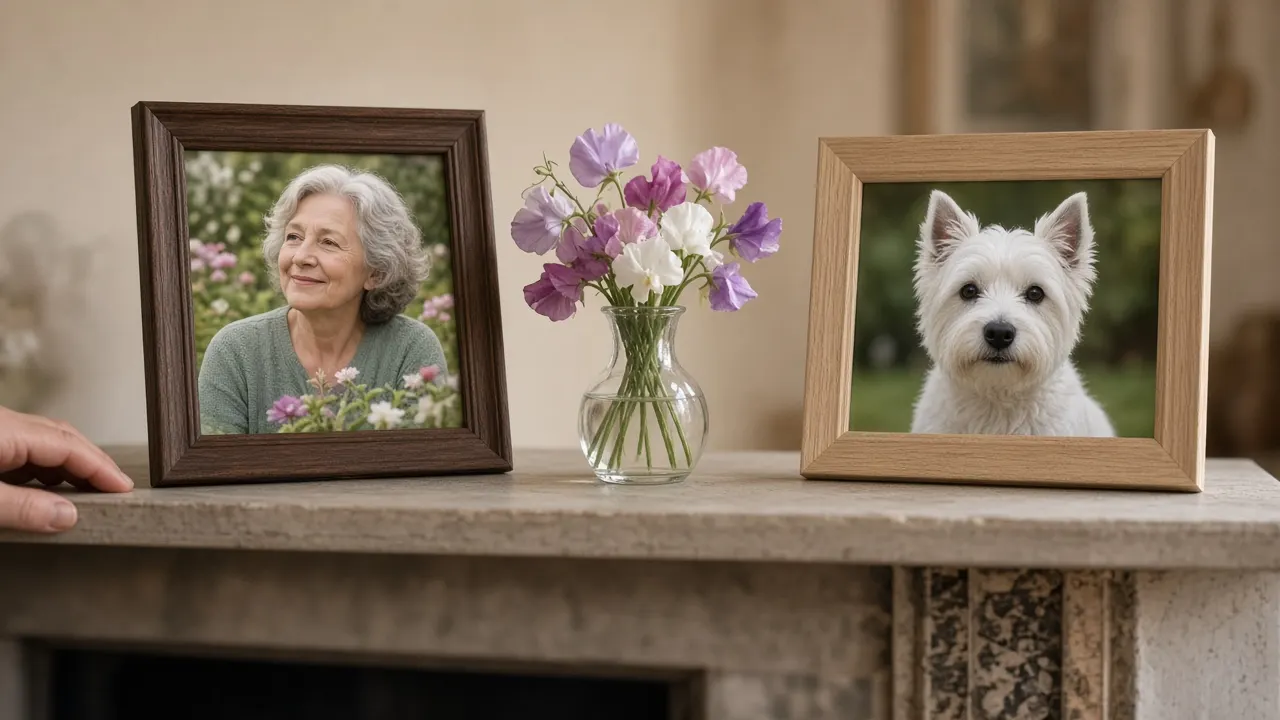
Treat it like the major bereavement it is. Take time off if you can; our guide to asking for time off after a pet dies has wording you can use. Mark the loss with a ritual; see choosing a personal ritual. And give it time; our pet grief timeline shows why it often lasts longer than people expect.
For a private sense of how you're doing, try the grief check-in. It sorts your answers into "Raw and early", "Riding the waves" or "Finding your feet" and suggests next steps for each.

Free tool
Pet loss grief check-in
A private, two-minute check-in on how you're coping, with ideas that match where you are.
If you'd like help finding people who get it, send us a short note and we'll email support options where you live. You can also compare the kinds of pet loss support yourself, or see how other readers answered on the live poll results page.

Reader polls
What would you choose?
Vote anonymously and see how other readers answered. The results are live counts from people who visit this site, so they show real opinions, not a scientific sample.
Which moment of the day feels emptiest now?
Tap an answer to vote and see how others answered. Anonymous.
Compared with losing a person, losing your pet felt...
Tap an answer to vote and see how others answered. Anonymous.
What was the hardest part of losing your pet?
Tap an answer to vote and see how others answered. Anonymous.

Questions people ask
Is it wrong that I'm sadder about my dog than my grandparent?
No. Grief follows closeness and daily presence. A dog you saw every day for years may have filled far more of your life than a grandparent you saw occasionally. Research on pet and human bereavement finds closeness is the strongest predictor of grief, whatever the species. It doesn't mean you loved your grandparent less.
How common is it to grieve a pet more than a person?
Fairly common. In a 2026 UK study, about one in five adults who had lost both named the pet's death as their most distressing bereavement. Other research finds around 40% of owners say pet grief equals or exceeds grief for a human loss.
Why does my pet's death feel harder than my parent's did?
There can be many reasons: the pet was with you every day, the relationship was simpler, you were their sole carer, or you had less support this time. Sometimes a pet's death also releases grief for a parent that you didn't fully feel at the time. A bereavement counselor can help untangle this.
Should I tell my family I'm grieving the pet more?
Only if it helps you. You don't need to make a comparison to have your grief taken seriously. If you do share it, explain that it's about how much of your everyday life the pet filled, not about who mattered more. Save the full version for people who understand animal loss.
Can pet grief become prolonged grief disorder?
It can. A 2026 UK study found 7.5% of people bereaved of a pet met criteria for prolonged grief disorder, close to the rate after losing a close friend. If intense longing is still disrupting your life many months later, talk to a licensed therapist or your doctor.


Sources and our estimates
- [1] Among UK adults who had lost both a pet and a person, 21.0% named the pet's death as their most distressing bereavement. Hyland et al., 'No pets allowed: Evidence that prolonged grief disorder can occur following the death of a pet', PLOS ONE (2026), 2026.
- [2] Mordor Intelligence reports that 40% of owners say their grief after a pet's death equals or exceeds grief after a human loss. Mordor Intelligence — Pet Funeral Services Market report page, 2025.
- [3] PGD rates after a pet's death (7.5%) were close to those after the death of a close friend (7.8%), other family member (8.3%), sibling (8.9%) and partner (9.1%). Hyland et al., 'No pets allowed: Evidence that prolonged grief disorder can occur following the death of a pet', PLOS ONE (2026), 2026.
- [4] About 7 in every 100 UK adults may have had a pet's death hit harder than any human loss. Our estimate: 32.6% have lost a pet x 21% chose pet as most distressing. How we calculate.
- [5] A Death Studies paper comparing pet and human loss found closeness to the deceased was overwhelmingly the strongest predictor of grief severity, whatever the species. Europe PMC abstract — Eckerd, Barnett & Jett-Dias, 'Grief following pet and human loss: Closeness is key', Death Studies (2016), doi:10.1080/07481187.2016.1139014, 2016.
- [6] Only 13.4% of bereaved pet owners felt fully understood by others. RSPCA — Pet Loss Survey Results, 2026.
- [7] 34.5% of bereaved pet owners were told 'it's just a pet'. RSPCA — Pet Loss Survey Results, 2026.
- [8] 57.1% felt they had to hide their grief after a pet died, and 57.8% perceive stigma around pet loss. RSPCA — Pet Loss Survey Results, 2026.
- [9] A 2015 Harris Poll found 95% of U.S. pet owners consider pets family members, up 7 points since 2007. SHRM — Grieving a Pet's Death: Should Workers Get Time Off? (2016), 2015.
Talk to people who understand this kind of grief
Tell us what you need and where you are. We'll reply by email with clear options and prices so you can decide in your own time.