Pet bereavement support for Queenstown families
Roughly 3,950 Queenstown households have a dog or cat, by our estimate. Losing one is common, but it rarely feels ordinary. Here's how to find support that takes it seriously.
- Free groups and helplines, explained
- Counselors who understand animal loss
- Crisis numbers if things feel too heavy
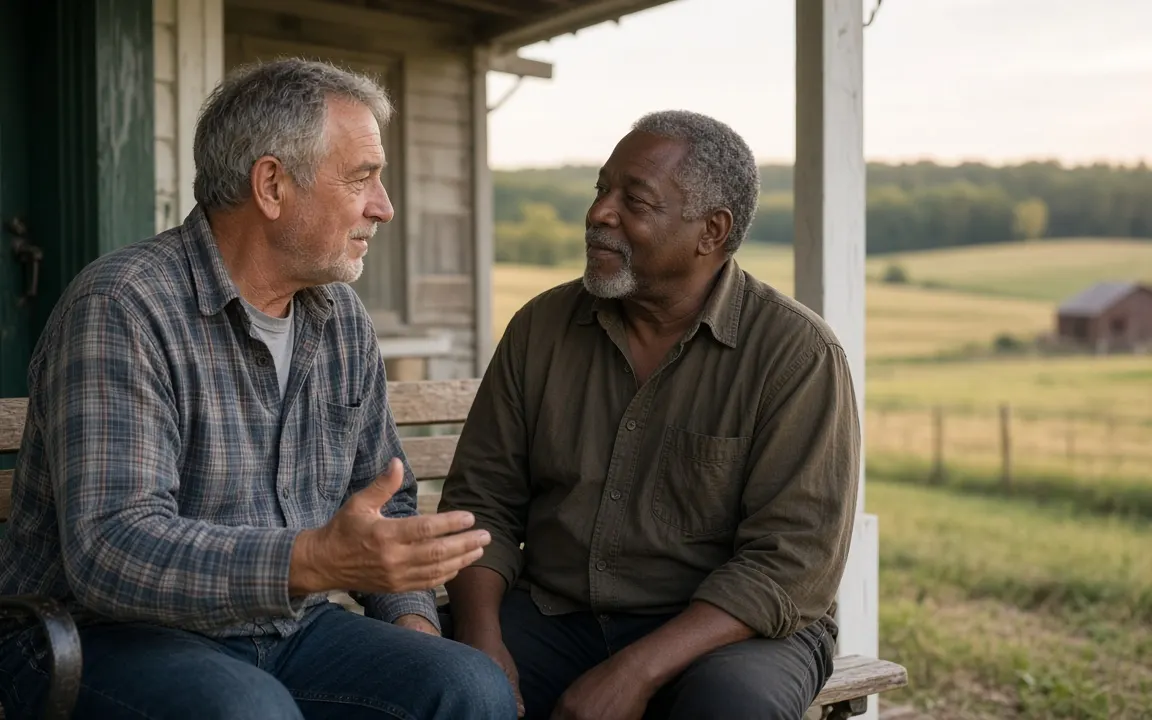
Queenstown, Otago
Where Queenstown pet owners find support
Grief often surfaces on the rhythms of basin life: the first snow on the Remarkables, a favourite spot by the lake, the quiet evenings of a long winter. That is normal and usually softens with time. Some families mark the loss by planting a tree or placing a stone somewhere they will see it every day. A walk to a lookout on the anniversary can become a small ritual.
Many people in Queenstown are a long way from family, often in another country, and losing a pet here can feel very lonely. Telling flatmates, colleagues or friends is a good first step, and a video call home to share photos and stories can help too. Some people hold a small gathering in the garden or by the lake with a few words.
Small-town grief has its own rhythms. In Queenstown, people may know your pet by sight, ask after them at the gas station or drop by with food the way they would for any loss. That kindness is real, and it's one of the gifts of a small community. If it ever feels like too much, it's fine to say you're not up to talking yet and thank them for thinking of you.
Queenstown is home to about 15,000 people.
Our estimate
3,950
How many dog- or cat-owning households Queenstown has (estimate)
How we calculated this
15,000 ÷ 2.7 = 5,556 households; × 31% (dog) + 40% (cat) = 3,950. Homes are counted once however many pets they keep.
Our estimate
330
dog and cat deaths per year in Queenstown, our estimate
How we calculated this
3,950 dog/cat-owning homes ÷ average lifespan (dog: 12.69 yrs + cat: 11.18 yrs) ≈ 330 a year. Treat it as a minimum.
31%[1]
31% of New Zealand households have a dog, down from 34% in 2020.
12.69 years[2]
US dogs have an average life expectancy at birth of 12.69 years.
40%[3]
40% of New Zealand households have a cat - cats are NZ's most popular pet.
11.18 years[4]
US cats seen at Banfield hospitals have an average life expectancy at birth of 11.18 years.
We built the this numbers from Montoya et al. 2023, Frontiers in Veterinary Science and Companion Animals New Zealand, 2024 NZ Pet Data Report, and both are worth a look if you want the detail.

Local customs around grief and cremation
With cremation at about 69%[5] in New Zealand, local customs sit somewhere between formal and relaxed. That middle ground can make it hard to know how much to say about a pet's death at work or among neighbors. A useful rule: share what you'd share about any close loss. A short message, a day or two of quiet and one gathering if you want it is not too much.
That New Zealand rate is a human one, published by The Spinoff, citing FDANZ 2023 Funeral Industry Trends Report (2023). We quote it for Queenstown only as a pointer to how families here already think about cremation.
Planning remembrance around Queenstown's weather
Seasons shape grief more than people expect. The first spring walk, the first cold evening without them on your lap, the first holiday: each can bring a fresh wave. Knowing that ahead of time helps. A wave isn't a setback; it's a sign of how woven into your year your pet was.

What pet loss support costs in Queenstown
Pet ownership is high here, with 73%[6] of Australian households keeping a pet, so pet loss touches a lot of families. Support is mostly free: online groups, helplines and occasional remembrance events run by animal welfare groups. Counseling is the main paid option. The table gives published aftercare prices for context, since there's no reliable data on counseling fees.
The Otago price table breaks costs down by product; our services page explains what sits behind each line.

Free tool
Memorial budget planner
Add up cremation, urn, keepsakes and a farewell so the total holds no surprises.
Permissions worth checking in Otago
Renting in Otago adds a layer: most leases don't allow a burial in the yard, and some landlords object to planting. A memorial pot you can take with you, ashes kept indoors or a scattering somewhere you have permission are all workable alternatives. The general Otago rules follow, and your lease or landlord can confirm the rest.
In New Zealand, you can call or text 1737 at any time to talk with a trained counselor, free. Councils set the rules on home burial and many urban sections are small, so a planting or a scattering on private land is a common way to mark a loss. Online groups that meet in New Zealand time are easier to join than ones based overseas.
A gentle plan for the weeks ahead
- Expect shock before sadness. After a sudden death, numbness, racing thoughts or disbelief are common in the first days. They don't mean you didn't care.
- Get the facts you need, then stop searching. One conversation with your vet about what happened can quiet a lot of what-ifs; hours online usually adds more.
- Hand one practical task to someone else, like calling relatives or collecting the collar from the clinic.
- Sleep and eat on a simple schedule, whether or not you feel like it. Shock wears the body down.
- Tell the story out loud within the first week, whether that's to a friend, a bereavement helpline or a group online. Once spoken, it usually holds you less tightly.
- Notice images that won't fade. When the same upsetting moment plays over and over for weeks on end, that's worth taking to a counselor. Going early is good sense, not overreacting.
Keeping their memory close in Queenstown
New Zealand has pet loss support available by phone and online, and your vet can often suggest someone to talk to. In a resort town where life moves quickly, it is easy to feel you should bounce back straight away, but grief has its own pace. Children cope better with honest words and a role, such as choosing a stone or writing a card.
look through our guides and the blog, The services page is the place to compare what is included, use the free tools before you ring anyone, or look at how readers voted in our polls. You can also browse every city in New Zealand.

Reader polls
What would you choose?
Vote anonymously and see how other readers answered. The results are live counts from people who visit this site, so they show real opinions, not a scientific sample.
Which kind of support have you tried since your loss?
Tap an answer to vote and see how others answered. Anonymous.
What words did you use to tell a child the pet had died?
Tap an answer to vote and see how others answered. Anonymous.
If you had to decide today, which aftercare would you choose for your pet?
Tap an answer to vote and see how others answered. Anonymous.

Free tools to help you plan
Memorial budget planner
Add up cremation, urn, keepsakes and a farewell so the total holds no surprises.

Pet loss grief check-in
A private, two-minute check-in on how you're coping, with ideas that match where you are.
Farewell & memorial service planner
Build a simple goodbye: who, where, readings, rituals and a checklist.
Questions people ask
How do New Zealand attitudes to cremation compare?
The Spinoff, citing FDANZ 2023 Funeral Industry Trends Report (2023) puts the New Zealand human cremation rate at about 69%[5]. We show it on the Queenstown page because pet aftercare choices tend to track it: where cremation is normal for people, communal and private pet cremation are both easy to find.
Is Queenstown big enough to have several pet aftercare providers?
Probably, on the numbers. By our estimate about 3,950 Queenstown households keep a dog or cat and around 330 lose one each year, which is enough steady demand to support more than one provider. We derive that from population (about 15,000), household size and national ownership and lifespan figures.
When should I get professional help for pet grief?
Most grief softens with time and ordinary support. Consider a counselor or your doctor if, months later, you can't manage daily life, nothing feels worth doing, the longing is getting stronger or you're leaning on alcohol to cope. In a UK study, 7.5%[8] of people bereaved of a pet met the threshold for prolonged grief disorder. If you ever think about ending your life, contact a crisis line or emergency services right away.
How long does grief for a pet last?
There's no set timetable. Many people find the sharpest pain eases over weeks to a few months, while waves return on anniversaries and in old routines. In one US study, nearly 1 in 3 owners[9] grieved for at least six months. If after several months you can't function day to day, or the longing is getting stronger rather than softer, it's worth talking to a professional.
What's a good way to mark the first anniversary?
Choose something small and repeatable: a walk along their favorite route, a donation to a shelter, a candle and an evening looking through photos, or a meal with the people who knew them. Tell someone close that the date is coming, so you're not facing it alone. Many people find the days before the anniversary harder than the day itself.
Why aren't there more pet loss groups in Queenstown if so many pets die?
By our estimate, around 330 dogs and cats die in Queenstown each year, but most of that grief happens privately. Groups depend on volunteers or a host such as a vet hospital, and they come and go. If you can't find one, online groups fill the gap, and asking your vet signals that people want one. Some owners start a small monthly meetup themselves.


Sources and our estimates
- [1] 31% of New Zealand households have a dog, down from 34% in 2020. Companion Animals New Zealand, 2024 NZ Pet Data Report, 2024.
- [2] US dogs have an average life expectancy at birth of 12.69 years. Montoya et al. 2023, Frontiers in Veterinary Science - Banfield Pet Hospital life expectancy tables (13.3 million dogs, 2.4 million cats, 2013-2019), 2023.
- [3] 40% of New Zealand households have a cat - cats are NZ's most popular pet. Companion Animals New Zealand, 2024 NZ Pet Data Report, 2024.
- [4] US cats seen at Banfield hospitals have an average life expectancy at birth of 11.18 years. Montoya et al. 2023, Frontiers in Veterinary Science - Banfield Pet Hospital life expectancy tables (13.3 million dogs, 2.4 million cats, 2013-2019), 2023.
- [5] 69% of bodies in New Zealand were cremated in 2023, per the Funeral Directors Association of NZ. The Spinoff, citing FDANZ 2023 Funeral Industry Trends Report, 2023.
- [6] 73% of Australian households have at least one pet. Animal Medicines Australia, Pets in Australia 2025 (media release), 2025.
- [7] Each year about 110,000 U.S. pet owners may go on to meet prolonged grief disorder criteria after a pet dies. Our estimate: 1.5M pet cremations (proxy for pet deaths with an engaged owner) x 7.5% PGD rate. How we calculate.
- [8] 7.5% of UK adults whose bereavement was the death of a pet met criteria for prolonged grief disorder (PGD). Hyland et al., 'No pets allowed: Evidence that prolonged grief disorder can occur following the death of a pet', PLOS ONE (2026), 2026.
- [9] A 2009 Bulletin of the Menninger Clinic study of 106 pet owners found nearly 1 in 3 grieved for at least six months. SHRM — Grieving a Pet's Death: Should Workers Get Time Off? (2016), 2009.
Ask us to look for support near you
Tell us what you need and where you are. We'll reply by email with clear options and prices so you can decide in your own time.