Finding pet loss support in Palmer, Alaska
Around 210 Palmer families lose a dog or cat each year, by our estimate, and most of that grief happens quietly. This guide covers groups, helplines, counselors and rituals.
- Free groups and helplines, explained
- Counselors who understand animal loss
- Crisis numbers if things feel too heavy
Palmer, Alaska
Where Palmer pet owners find support
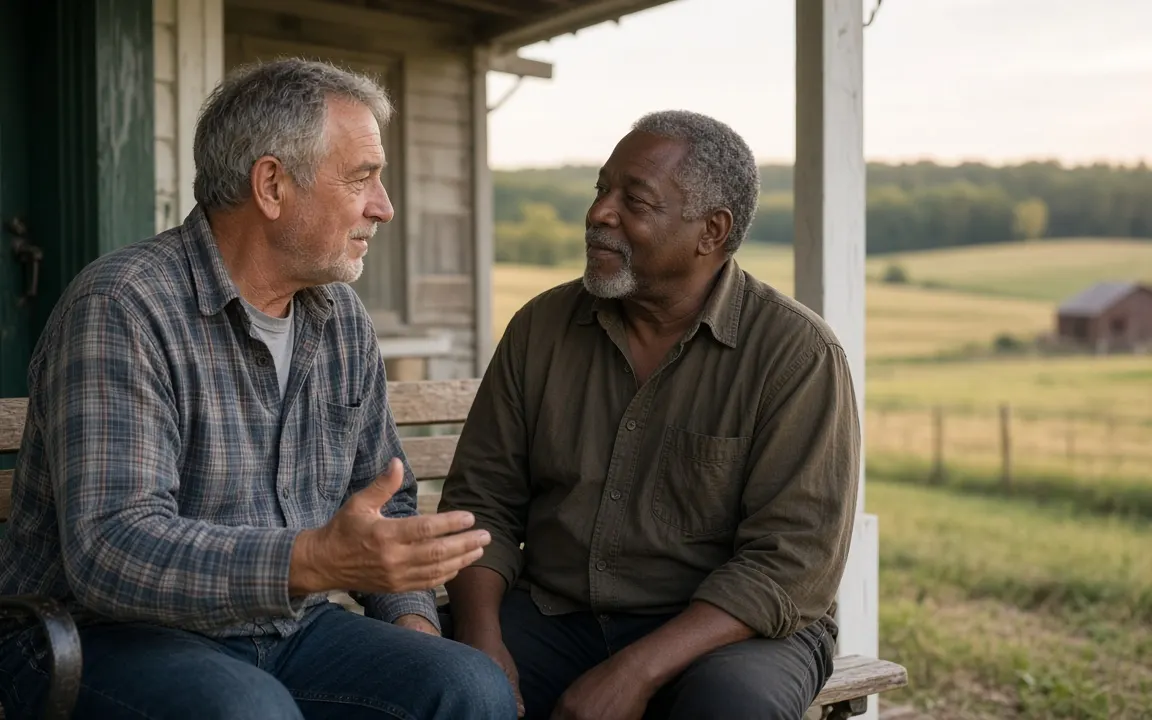
Losing an animal in Palmer is often shared by the whole household, including children who helped feed and care for it every day. Letting them take part in the goodbye, whether that means choosing a spot for a stone or telling a story about the animal, tends to help. Your vet can usually point you to pet loss support if grief lingers.
Many Palmer families hold a simple goodbye at home when a pet dies, then gather again after thaw to bury ashes or plant a tree. That rhythm suits the valley's seasons. If you are grieving through a dark winter, phone or online pet loss groups make it easy to talk to someone without driving to Anchorage on icy roads. A photo on the fridge or a collar by the door can carry you until then.
Farm and rural owners around Palmer sometimes feel they aren't allowed to grieve a working dog or a barn cat as deeply as a city owner grieves a lapdog. Grief follows closeness, not breed or job, and research on pet loss backs that up. If you spent every day with them, through every season and every chore, missing them this much makes complete sense.
About 6,710 people live in Palmer, which makes it the 8th-largest of the 10 Alaska communities we cover. Anchorage, roughly 37 miles off, is the closest larger centre, and a share of the providers who cover Palmer run from there.
If you want to compare providers, look at Wasilla (11 miles), Anchorage (37 miles, a larger centre) and Kenai (100 miles). Distance matters because pickup fees and the time until the ashes come back both grow with the drive.
Our estimate
2,450
Palmer: dog- or cat-owning households, our estimate
How we calculated this
6,710 ÷ 2.5 = 2,684 households; × 53% (dog) + 39% (cat) = 2,450. A household with several pets counts once.
Our estimate
210
dog and cat deaths per year in Palmer, our estimate
How we calculated this
2,450 dog/cat-owning homes ÷ average lifespan (dog: 12.69 yrs + cat: 11.18 yrs) ≈ 210 a year. The real figure is unlikely to be lower.
53%[1]
53% of US households own a dog, which is about 71 million households.
12.69 years[2]
US dogs have an average life expectancy at birth of 12.69 years.
39%[3]
39% of US households own a cat, which is about 53 million households.
11.18 years[4]
US cats seen at Banfield hospitals have an average life expectancy at birth of 11.18 years.
Where these figures come from: Montoya et al. 2023, Frontiers in Veterinary Science and American Pet Products Association (APPA) 2025 State of the Industry.
How Alaska remembers the people it loses
Cremation is the usual choice in Alaska: about 74.1%[5] of people who die there are cremated. Where cremation is this common, remembrance often isn't tied to a grave. Families hold celebrations of life, scatter ashes somewhere meaningful or keep them at home. Pet loss tends to follow the same pattern, which can leave grief without a fixed place to visit. Choosing one, a bench, a trail or a tree, often helps.
That Alaska rate is a human one, published by NFDA 2024 Cremation & Burial Report state projections (via Occasional Sage) (2024). We quote it for Palmer only as a pointer to how families here already think about cremation.
Weather, seasons and remembrance in Palmer
Snow brings its own reminders in Palmer. If your dog loved the first snowfall or your cat watched it from the sill, the first white morning after they're gone can hit hard. A small plan can soften it: a walk in the snow with a friend, or a photo of the untouched yard to mark the day. Grief with a plan attached tends to feel a little less like an ambush.
Palmer winters are long, with average lows at or below freezing in January, February, March, April, October, November and December. Dark afternoons and fewer reasons to go outside can make grief heavier, especially if a dog used to get you out twice a day. Many people find it helps to keep a short daily walk anyway, at the time you used to go, even if it's only around the block.
Paying for grief support in Palmer
A good share of US pet loss support costs nothing at all. The first pet loss hotline opened at UC Davis in 1989[6], and university lines still run today: Cornell's Pet Loss Support Hotline is staffed by veterinary students trained by grief counselors, and Tufts runs a volunteer helpline with evening hours and voicemail. Check current times before calling from Palmer.
The Alaska price table breaks costs down by product; our services page explains what sits behind each line.

Free tool
Memorial budget planner
Add up cremation, urn, keepsakes and a farewell so the total holds no surprises.
Permissions worth checking in Alaska
If you're planning a memorial outdoors, a quick check of local rules saves a hard moment later. Here's what we know about Alaska and home burial or scattering ashes. For time off, check your handbook for bereavement or compassionate leave; where pets aren't mentioned, a short, specific request to your manager often works.
Alaska keeps an official directory of local governments; use it to reach the county or city office that covers Palmer.
The Alaska page sets out who oversees pet cremation and what the state says about burial and scattering. Palmer's own bylaws can sit on top of that, so ask before you dig.
What to do while the grief is new
- Let your other animals sniff or sit with their companion when circumstances allow and it feels okay to you. Plenty of owners say the remaining pets seem calmer afterward.
- Keep feeding and walking times the same so the pets you still have get their usual day.
- Expect changes in behavior. A surviving pet might hunt around the house, cry, take over the empty bed or just seem restless. It usually settles down over a few weeks.
- Don't rush a new companion for them. Let the house settle into how it is now before adding anyone else.
- Make room for your own grief, too. Caring for the others can crowd it out, so set aside time to be sad on purpose.
- Call your vet if a surviving pet stops eating or seems unwell for more than a day or two.
Honoring them close to home in Palmer
Palmer has a close, practical community, and neighbors often step in after a loss, lending equipment, bringing food or simply checking in. It is fine to lean on that. A farewell does not have to be formal; a few words at the barn or by the fence line, with the people who knew the animal, can mean a great deal.
try the free planning tools, read our guides and latest articles, or see what other families chose in the poll results, See what each option includes on our services page. If you live between Palmer and Wasilla, Ketchikan, Fairbanks and Juneau, either page applies. Every other community in Alaska, and all of the United States, is listed too.

Reader polls
What would you choose?
Vote anonymously and see how other readers answered. The results are live counts from people who visit this site, so they show real opinions, not a scientific sample.
What words did you use to tell a child the pet had died?
Tap an answer to vote and see how others answered. Anonymous.
Which moment of the day feels emptiest now?
Tap an answer to vote and see how others answered. Anonymous.
If you had to decide today, which aftercare would you choose for your pet?
Tap an answer to vote and see how others answered. Anonymous.

Free tools to help you plan
Memorial budget planner
Add up cremation, urn, keepsakes and a farewell so the total holds no surprises.

Pet loss grief check-in
A private, two-minute check-in on how you're coping, with ideas that match where you are.

Farewell & memorial service planner
Build a simple goodbye: who, where, readings, rituals and a checklist.
Questions people ask
Does the Palmer climate change what I should do first?
Only the timing. In July, with highs near 66°F, cool the body and book collection the same day. In January, February, March, April, October, November and December, when lows sit below freezing, a home burial may have to wait for a thaw, so cremation with ashes returned keeps your options open.
Can a provider from a neighbouring town collect from Palmer?
Usually yes. Wasilla is about 11 miles away, Anchorage is about 37 miles away and Kenai is about 100 miles away, all inside a normal collection radius. Get the mileage written into the quote so there is no surprise on the day.
Will I have to travel to Anchorage to arrange things?
Not usually. Providers based in Anchorage (roughly 37 miles from Palmer) collect from here as a matter of routine, and the paperwork is done by email or phone. If you want to be present for a witnessed cremation, that is when the drive matters.
Is Palmer big enough to have several pet aftercare providers?
Probably, on the numbers. By our estimate about 2,450 Palmer households keep a dog or cat and around 210 lose one each year, which is enough steady demand to support more than one provider. We derive that from population (about 6,710), household size and national ownership and lifespan figures.
Why aren't there more pet loss groups in Palmer if so many pets die?
By our estimate, around 210 dogs and cats die in Palmer each year, but most of that grief happens privately. Groups depend on volunteers or a host such as a vet hospital, and they come and go. If you can't find one, online groups fill the gap, and asking your vet signals that people want one. Some owners start a small monthly meetup themselves.
How do I find a counselor in Palmer who understands pet loss?
Look for a licensed counselor, clinical social worker or psychologist who lists grief or bereavement as a focus, then ask directly whether they've supported people after a pet's death. Specialists in pet loss are uncommon, but a bereavement-trained therapist who takes animal loss seriously is often just as helpful. Many work by video, which widens your choice beyond Palmer. Ask about fees and insurance before the first session.


Sources and our estimates
- [1] 53% of US households own a dog, which is about 71 million households. American Pet Products Association (APPA) 2025 State of the Industry, 2025.
- [2] US dogs have an average life expectancy at birth of 12.69 years. Montoya et al. 2023, Frontiers in Veterinary Science - Banfield Pet Hospital life expectancy tables (13.3 million dogs, 2.4 million cats, 2013-2019), 2023.
- [3] 39% of US households own a cat, which is about 53 million households. American Pet Products Association (APPA) 2025 State of the Industry, 2025.
- [4] US cats seen at Banfield hospitals have an average life expectancy at birth of 11.18 years. Montoya et al. 2023, Frontiers in Veterinary Science - Banfield Pet Hospital life expectancy tables (13.3 million dogs, 2.4 million cats, 2013-2019), 2023.
- [5] The NFDA projected Alaska's cremation rate at 74.1% for 2024. NFDA 2024 Cremation & Burial Report state projections (via Occasional Sage), 2024.
- [6] The first pet loss support hotline was set up in 1989 at the University of California, Davis, according to Cornell. Cornell University College of Veterinary Medicine, 2026.
- [7] Roughly 850,000 bereaved U.S. pet households a year may not find the grief support they need. Our estimate: 1.5M pet cremations x 56.7% couldn't find support. How we calculate.
Ask us to look for support near you
Tell us what you need and where you are. We'll reply by email with clear options and prices so you can decide in your own time.