Pet loss grief support in Lincoln
With about 21,000 dog- or cat-owning households in Lincoln by our estimate, pet loss touches a lot of your neighbors. You don't have to carry it alone. Here's where to start.
- Rituals for the first weeks and the first year
- Groups that meet in person or by video
- Plain answers about guilt after euthanasia
Lincoln, California
Pet loss support in Lincoln: the local picture
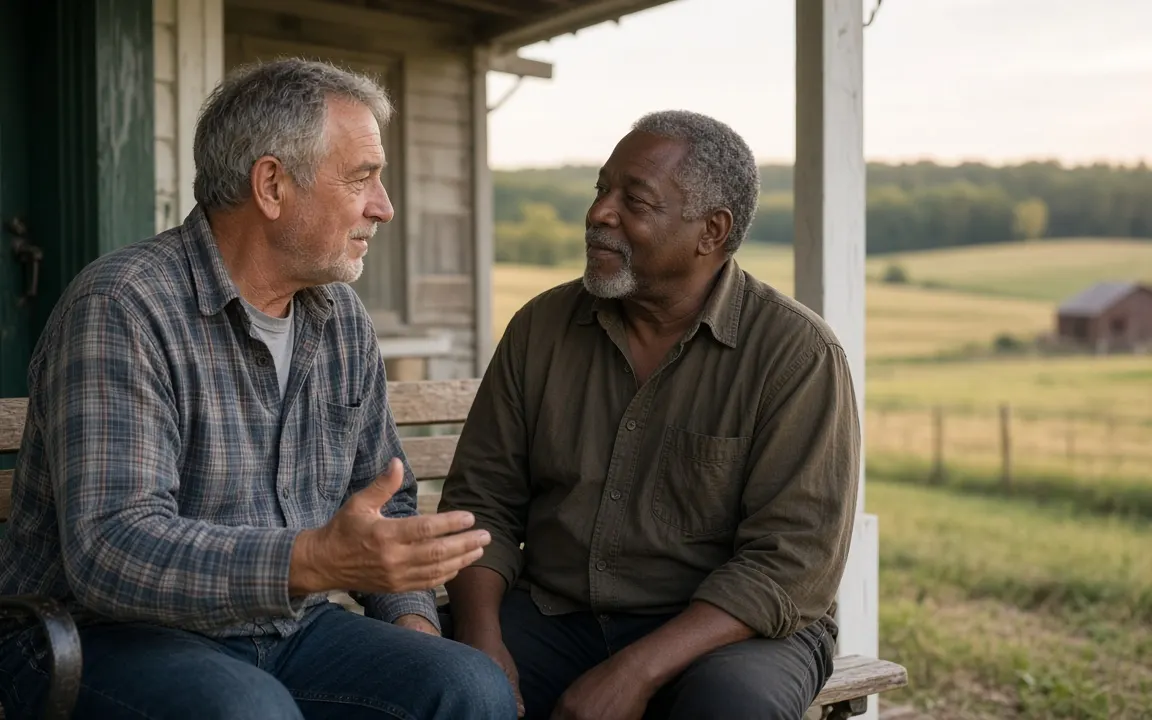
For retirees in Lincoln, a pet is often a daily companion and a reason to get up in the morning, and its loss can feel especially heavy, sometimes stirring up older griefs as well. Reach out to friends, neighbors or family. Lincoln's large active-adult communities have clubs and social groups, and you may find others there who have been through the same loss.
Young families in Lincoln's newer neighborhoods may be facing a child's first loss when a pet dies. Use plain words such as died, answer questions honestly, and let children help choose a memorial or plant something in a new garden bed. A small drawing or letter placed with the pet can help too. If a child is still struggling after a few weeks, a school counselor can help.
Where the internet is patchy around Lincoln, video groups may not be practical, but a phone call works almost anywhere. Charity and university pet loss lines exist in several countries, and general listening services take calls about any loss. Some also answer by email, which you can write at any hour and read later when you have a signal. Writing suits people who find it easier to type than to talk.
About 57,367 people live in Lincoln, which makes it the 149th-largest of the 307 California communities we cover. Some of the providers who serve Lincoln are based about 23 miles away in Sacramento, the nearest larger centre, so collection times reflect that drive.
For a second opinion on price, Rocklin (5 miles), Roseville (8 miles, a larger centre) and Citrus Heights (12 miles) are close enough that their providers cover Lincoln routinely. Two written quotes tell you more than any price list.
Our estimate
21,000
Estimated dog- or cat-owning households in Lincoln
How we calculated this
57,367 ÷ 2.5 = 22,947 households; × 53% (dog) + 39% (cat) = 21,000. Homes are counted once however many pets they keep.
Our estimate
1,750
Estimated dog and cat losses in Lincoln each year
How we calculated this
21,000 dog/cat-owning homes ÷ average lifespan (dog: 12.69 yrs + cat: 11.18 yrs) ≈ 1,750 a year. Treat it as a minimum.
53%[1]
53% of US households own a dog, which is about 71 million households.
12.69 years[2]
US dogs have an average life expectancy at birth of 12.69 years.
39%[3]
39% of US households own a cat, which is about 53 million households.
11.18 years[4]
US cats seen at Banfield hospitals have an average life expectancy at birth of 11.18 years.
To check the figures yourself, see American Pet Products Association (APPA) 2025 State of the Industry and Montoya et al. 2023, Frontiers in Veterinary Science.

Loss and remembrance in California
Cremation is the usual choice in California: about 70.5%[5] of people who die there are cremated. Where cremation is this common, remembrance often isn't tied to a grave. Families hold celebrations of life, scatter ashes somewhere meaningful or keep them at home. Pet loss tends to follow the same pattern, which can leave grief without a fixed place to visit. Choosing one, a bench, a trail or a tree, often helps.
That California rate is a human one, published by NFDA 2024 Cremation & Burial Report state projections (via Occasional Sage) (2024). We quote it for Lincoln only as a pointer to how families here already think about cremation.
Lincoln's seasons and your grief
Summer evenings in Lincoln are often the most comfortable part of the day once the July heat eases. That makes them a natural time for a small remembrance: friends on the porch as the light goes, a candle in a jar, a few stories told out loud. Dusk suits grief. Nobody has to make eye contact, and the silences feel shared rather than awkward.
Summer can bring a wave of grief if your pet was part of the season: road trips, the lake, the backyard barbecue. In Lincoln, where the heat peaks around July, it may help to plan something a little different this first summer, or to include a small moment for your pet in the usual plans, like a toast or a photo on the table.
Budgeting for support and aftercare in Lincoln
By our estimate, about 110,000 US pet owners a year[6] may go on to meet the criteria for prolonged grief disorder, a recognized condition in which grief stays intense and disabling for many months. That's where paid counseling earns its fee. For most people in Lincoln, free support is enough. If months pass and you're still barely functioning, a licensed therapist is worth the cost, and insurance may cover it.
The California price table breaks costs down by product; our services page explains what sits behind each line.

Free tool
Memorial budget planner
Add up cremation, urn, keepsakes and a farewell so the total holds no surprises.
What California allows for burial and scattering
A ritual can feel spoiled if you're worried it breaks a rule. The points below cover what we know for California about burying a pet at home and scattering ashes. When in doubt, private land with the owner's permission is the simplest place for a quiet goodbye, and a planting in a pot works anywhere.
To find your county or city office in California, start with the official California local government directory.
The rules that apply across California (home burial, scattering and who oversees pet cremation) are summarized on our California page. Lincoln may add its own conditions, so check with the city or county before digging.
What to do while the grief is new
- Get the full story from whoever was with them, whether that's the pet sitter, the kennel staff or the clinic. For most people, hearing how it went and that someone was beside them is what counts.
- Forgive yourself for being away. Pets often die during an ordinary workday, overnight or when their people are on a trip. Not being there isn't a failure.
- Hold your own goodbye once you're home. Sit with the ashes or at the grave, go through the photos, or call the clinic to see if you can still view them.
- Thank the person who cared for them. Chances are they're upset as well, and quietly afraid you hold them responsible.
- Put into words what you'd have said if you'd been there, in a note or a card you keep.
- Talk it over with someone if the thought of not being there keeps returning; pet bereavement lines hear this worry often. You can also ask us for support options.
Honoring them close to home in Lincoln
Some Lincoln families hold a small gathering once the ashes come home, perhaps in the garden at sunset or out on their acreage with the foothills in view. Others keep it quiet. Whatever you choose, let it reflect how your pet lived with you. If sadness lingers for weeks, a friend, a faith leader or a pet loss support group can help.
there are guides for the big decisions and articles for the details, the planning tools turn your pet's details into figures, Our services overview lays out every option side by side, or see what other families chose in the poll results. More local pages: San Francisco, Fresno, Los Angeles and San Diego, the California overview and every city in the United States.

Reader polls
What would you choose?
Vote anonymously and see how other readers answered. The results are live counts from people who visit this site, so they show real opinions, not a scientific sample.
What words did you use to tell a child the pet had died?
Tap an answer to vote and see how others answered. Anonymous.
Which moment of the day feels emptiest now?
Tap an answer to vote and see how others answered. Anonymous.
If you had to decide today, which aftercare would you choose for your pet?
Tap an answer to vote and see how others answered. Anonymous.

Free tools to help you plan
Memorial budget planner
Add up cremation, urn, keepsakes and a farewell so the total holds no surprises.

Pet loss grief check-in
A private, two-minute check-in on how you're coping, with ideas that match where you are.

Farewell & memorial service planner
Build a simple goodbye: who, where, readings, rituals and a checklist.
Questions people ask
How does Lincoln's weather affect pet aftercare?
July is the hottest month in Lincoln, with average highs around 94°F, so prompt collection matters most then. Winters are mild, with average lows staying above freezing, so outdoor burial or scattering is usually possible year round.
Is cremation common in California?
For people, yes: about 70.5%[5] of California deaths end in cremation, according to NFDA 2024 Cremation & Burial Report state projections (via Occasional Sage) (2024). Nobody publishes the same figure for pets, but in our experience pet choices in Lincoln follow the human pattern closely, so cremation is the default most families here start from.
Can a provider from a neighbouring town collect from Lincoln?
Usually yes. Rocklin is about 5 miles away, Roseville is about 8 miles away and Citrus Heights is about 12 miles away, all inside a normal collection radius. Get the mileage written into the quote so there is no surprise on the day.
Is Lincoln big enough to have several pet aftercare providers?
Probably, on the numbers. By our estimate about 21,000 Lincoln households keep a dog or cat and around 1,750 lose one each year, which is enough steady demand to support more than one provider. We derive that from population (about 57,367), household size and national ownership and lifespan figures.
There's no pet loss group near Lincoln. What are my options?
In smaller places, phone lines, online groups and video counseling are usually the most practical support. A larger center such as Sacramento may have an in-person group or counselor. Churches and community groups sometimes run general bereavement groups that welcome anyone grieving. And your vet, who likely knew your pet, is often a kind first person to talk to.
Is it normal to grieve my pet more than some people I've lost?
Yes, and it's more common than people admit. In a 2026 UK study, 21.0%[7] of people who had lost both a pet and a person named the pet's death as their most distressing loss. Research comparing the two found closeness, not species, is the strongest predictor of how much it hurts. A pet shares every ordinary hour, which is exactly why the gap feels so big.


Sources and our estimates
- [1] 53% of US households own a dog, which is about 71 million households. American Pet Products Association (APPA) 2025 State of the Industry, 2025.
- [2] US dogs have an average life expectancy at birth of 12.69 years. Montoya et al. 2023, Frontiers in Veterinary Science - Banfield Pet Hospital life expectancy tables (13.3 million dogs, 2.4 million cats, 2013-2019), 2023.
- [3] 39% of US households own a cat, which is about 53 million households. American Pet Products Association (APPA) 2025 State of the Industry, 2025.
- [4] US cats seen at Banfield hospitals have an average life expectancy at birth of 11.18 years. Montoya et al. 2023, Frontiers in Veterinary Science - Banfield Pet Hospital life expectancy tables (13.3 million dogs, 2.4 million cats, 2013-2019), 2023.
- [5] The NFDA projected California's cremation rate at 70.5% for 2024. NFDA 2024 Cremation & Burial Report state projections (via Occasional Sage), 2024.
- [6] Each year about 110,000 U.S. pet owners may go on to meet prolonged grief disorder criteria after a pet dies. Our estimate: 1.5M pet cremations (proxy for pet deaths with an engaged owner) x 7.5% PGD rate. How we calculate.
- [7] Among UK adults who had lost both a pet and a person, 21.0% named the pet's death as their most distressing bereavement. Hyland et al., 'No pets allowed: Evidence that prolonged grief disorder can occur following the death of a pet', PLOS ONE (2026), 2026.
Get Lincoln support options by email
Tell us what you need and where you are. We'll reply by email with clear options and prices so you can decide in your own time.