Pet loss grief support in Palo Alto
Around 2,050 Palo Alto families lose a dog or cat each year, by our estimate, and most of that grief happens quietly. This guide covers groups, helplines, counselors and rituals.
- No therapy pitch, just clear options
- Ideas for remembering them around Palo Alto
- Suggestions by email, in your own time
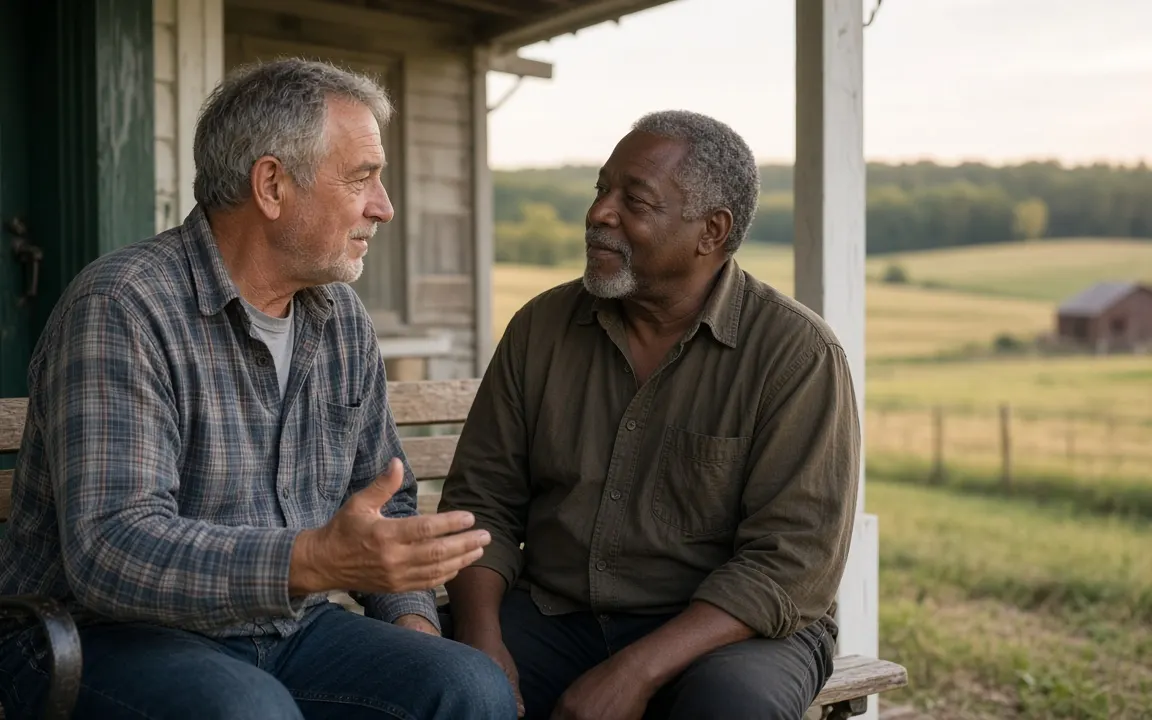
Palo Alto, California
Finding your footing after a loss in Palo Alto
When grief lingers, Peninsula therapists who understand animal loss can help, as can a faith community or a friend who has lost a pet of their own. Some residents find it steadying to walk out along the Baylands boardwalk at dusk, or to stand for a moment beneath the old redwood by San Francisquito Creek, a tree that has watched over the town for centuries.
Children in Palo Alto often ask thoughtful, direct questions when a pet dies, and they deserve honest, simple answers rather than soft phrases that confuse. Let them take part in the goodbye, perhaps by writing a letter, choosing a keepsake or planting something in the garden. Adults may find their own grief catches up later, once the household routine settles, and that delay is common.
Farm and rural owners around Palo Alto sometimes feel they aren't allowed to grieve a working dog or a barn cat as deeply as a city owner grieves a lapdog. Grief follows closeness, not breed or job, and research on pet loss backs that up. If you spent every day with them, through every season and every chore, missing them this much makes complete sense.
About 67,609 people live in Palo Alto, which makes it the 123rd-largest of the 307 California communities we cover. The nearest larger centre is Fremont, about 11 miles (18 km) away, which is where some providers serving Palo Alto are based.
The closest communities we cover are East Palo Alto (2 miles), Menlo Park (2 miles) and Atherton (3 miles). Providers serving those towns often travel to Palo Alto too, so it can be worth asking them for a quote.
Our estimate
25,000
How many dog- or cat-owning households Palo Alto has (estimate)
How we calculated this
67,609 ÷ 2.5 = 27,044 households; × 53% (dog) + 39% (cat) = 25,000. A household with several pets counts once.
Our estimate
2,050
Palo Alto families who lose a dog or cat each year (estimate)
How we calculated this
25,000 dog/cat-owning homes ÷ average lifespan (dog: 12.69 yrs + cat: 11.18 yrs) ≈ 2,050 a year. The real figure is unlikely to be lower.
53%[1]
53% of US households own a dog, which is about 71 million households.
12.69 years[2]
US dogs have an average life expectancy at birth of 12.69 years.
39%[3]
39% of US households own a cat, which is about 53 million households.
11.18 years[4]
US cats seen at Banfield hospitals have an average life expectancy at birth of 11.18 years.
If a number here surprises you, the primary material is American Pet Products Association (APPA) 2025 State of the Industry and Montoya et al. 2023, Frontiers in Veterinary Science; we only apply it to this.
How California remembers the people it loses
Where cremation is as common as it is in California (about 70.5%[5] of deaths), a memorial often happens weeks after a death rather than within days. That delay suits pet grief well. You don't have to organize anything while you're still in shock; a gathering, a walk or a planting can come a month or two later, when you know what you want to say.
The California percentage above is from NFDA 2024 Cremation & Burial Report state projections (via Occasional Sage) (2024) and refers to human funerals. Treat it as context for Palo Alto, not as a count of pets.
How Palo Alto's climate shapes remembering
Year-round outdoor living in Palo Alto means a pet was often part of every season: the patio, the beach, the evening stroll. Without seasonal breaks, the routine never pauses, which makes the gap noticeable every day. Changing one small thing, like the route, the time you step outside or where you sit on the patio, can ease the daily jolt without erasing the memory.
Palo Alto's wettest month is usually December, so if you're planning an outdoor memorial or planting, a drier stretch is easier on everyone. Rainy days suit indoor remembrance instead: sorting photos, writing a letter to your pet or making a small memory box with their collar and a favorite toy.
Free and paid support for Palo Alto families
Money worries and grief often arrive together. In a US survey, 61%[6] of owners said the cost of aftercare was a concern. Support itself doesn't have to add to the bill: many groups ask only for an optional donation, and phone and online support is mostly free. If you'd like a counselor, compare two or three and ask about sliding-scale fees.
For a line-by-line price table, see the California overview; for what's included in each option, see our services.

Free tool
Memorial budget planner
Add up cremation, urn, keepsakes and a farewell so the total holds no surprises.
Before an outdoor goodbye in California
Shared spaces need a little diplomacy. A garden in a shared building, a family farm owned by several siblings or a community plot in California each involve someone else's permission, even where the law allows a burial or scattering. A short conversation beforehand avoids hurt feelings later. The rules we have on record for California are set out below.
California keeps an official directory of local governments; use it to reach the county or city office that covers Palo Alto.
Home burial and scattering are governed at the California level first; our California rules summary has the detail. Then check whether Palo Alto or your HOA adds anything.
A gentle plan for the weeks ahead
- Let your other animals sniff or sit with their companion if that's possible and feels right. Some owners find it helps the survivors settle.
- Keep feeding and walking times the same so the pets you still have get their usual day.
- Expect changes in behavior, such as searching, calling out, sleeping in the old spot or seeming unsettled. Most of it eases within a few weeks.
- Don't rush a new companion for them. Let the house settle into how it is now before adding anyone else.
- Make room for your own grief, too. Looking after the remaining pets can push it aside, so deliberately give yourself time to feel it.
- Call your vet when one of the others goes off their food or looks poorly for longer than a couple of days.
Places and ways to remember them
Palo Alto can be an intensely busy place, with long workdays and packed school schedules, and a pet's death may seem to demand little time. It deserves more. A quiet evening at home with your family, sharing favorite stories and photos, can be a meaningful farewell. Taking a day away from work, if you can, is an entirely reasonable response to losing a companion.
or compare your instinct with the poll results, Compare every option on our services page, the planning tools turn your pet's details into figures, read our guides and latest articles. You can also browse every city in the United States. Nearby, we also cover San Jose, Los Angeles, Fresno and San Diego, and every city in California.

Reader polls
What would you choose?
Vote anonymously and see how other readers answered. The results are live counts from people who visit this site, so they show real opinions, not a scientific sample.
How did your workplace respond when your pet died?
Tap an answer to vote and see how others answered. Anonymous.
How do you mark the day your pet died?
Tap an answer to vote and see how others answered. Anonymous.
If you had to decide today, which aftercare would you choose for your pet?
Tap an answer to vote and see how others answered. Anonymous.

Free tools to help you plan
Memorial budget planner
Add up cremation, urn, keepsakes and a farewell so the total holds no surprises.

Pet loss grief check-in
A private, two-minute check-in on how you're coping, with ideas that match where you are.

Farewell & memorial service planner
Build a simple goodbye: who, where, readings, rituals and a checklist.
Questions people ask
Can a provider from a neighbouring town collect from Palo Alto?
Usually yes. East Palo Alto is about 2 miles away, Menlo Park is about 2 miles away and Atherton is about 3 miles away, all inside a normal collection radius. Get the mileage written into the quote so there is no surprise on the day.
Is Palo Alto big enough to have several pet aftercare providers?
Probably, on the numbers. By our estimate about 25,000 Palo Alto households keep a dog or cat and around 2,050 lose one each year, which is enough steady demand to support more than one provider. We derive that from population (about 67,609), household size and national ownership and lifespan figures.
How does Palo Alto's weather affect pet aftercare?
September is the hottest month in Palo Alto, with average highs around 75°F, so prompt collection matters most then. Winters are mild, with average lows staying above freezing, so outdoor burial or scattering is usually possible year round.
Where are the providers that serve Palo Alto actually based?
Some are local, and some run from Fremont, about 11 miles away. That is normal for a town this size. What matters is the collection time they quote for Palo Alto and whether the drive is priced into the total, so ask both up front.
Should my child see a counselor after our pet died?
Most children cope well with honest words, a role in the goodbye and adults who let them be sad. Consider extra help if, weeks later, a child still struggles to sleep, won't go to school, becomes very anxious about people dying or seems stuck. A school counselor or your family doctor in Palo Alto is a sensible first step, and they'll tell you if more is needed.
What is anticipatory grief?
It's grief that starts before a pet dies, often during a long illness or old age. In the RSPCA survey, 75.4%[8] of owners experienced it. It can bring sadness, irritability and guilt about feeling sad while your pet is still here. That's normal. Many people find it helps to plan a few good days together and to ask the vet what the end might look like.


Sources and our estimates
- [1] 53% of US households own a dog, which is about 71 million households. American Pet Products Association (APPA) 2025 State of the Industry, 2025.
- [2] US dogs have an average life expectancy at birth of 12.69 years. Montoya et al. 2023, Frontiers in Veterinary Science - Banfield Pet Hospital life expectancy tables (13.3 million dogs, 2.4 million cats, 2013-2019), 2023.
- [3] 39% of US households own a cat, which is about 53 million households. American Pet Products Association (APPA) 2025 State of the Industry, 2025.
- [4] US cats seen at Banfield hospitals have an average life expectancy at birth of 11.18 years. Montoya et al. 2023, Frontiers in Veterinary Science - Banfield Pet Hospital life expectancy tables (13.3 million dogs, 2.4 million cats, 2013-2019), 2023.
- [5] The NFDA projected California's cremation rate at 70.5% for 2024. NFDA 2024 Cremation & Burial Report state projections (via Occasional Sage), 2024.
- [6] 61% of US owners in the Cooney survey rated the cost of after-death body care as a concern (27.9% concerned, 33.1% very concerned). Cooney, Kogan, Brooks, Ellis - Pet Owners' Expectations for Pet End-of-Life Support and After-Death Body Care, Topics in Companion Animal Medicine (2020), 2020.
- [7] About 7 in every 100 UK adults may have had a pet's death hit harder than any human loss. Our estimate: 32.6% have lost a pet x 21% chose pet as most distressing. How we calculate.
- [8] 75.4% of RSPCA pet-loss survey respondents experienced anticipatory grief before their pet died. RSPCA — Pet Loss Survey Results, 2026.
Ask us to look for support near you
Tell us what you need and where you are. We'll reply by email with clear options and prices so you can decide in your own time.