Finding pet loss support in Indialantic, Florida
Around 90 Indialantic families lose a dog or cat each year, by our estimate, and most of that grief happens quietly. This guide covers groups, helplines, counselors and rituals.
- Local and online options for Indialantic
- Honest costs: what's free and what isn't
- Private, free to ask, no pressure
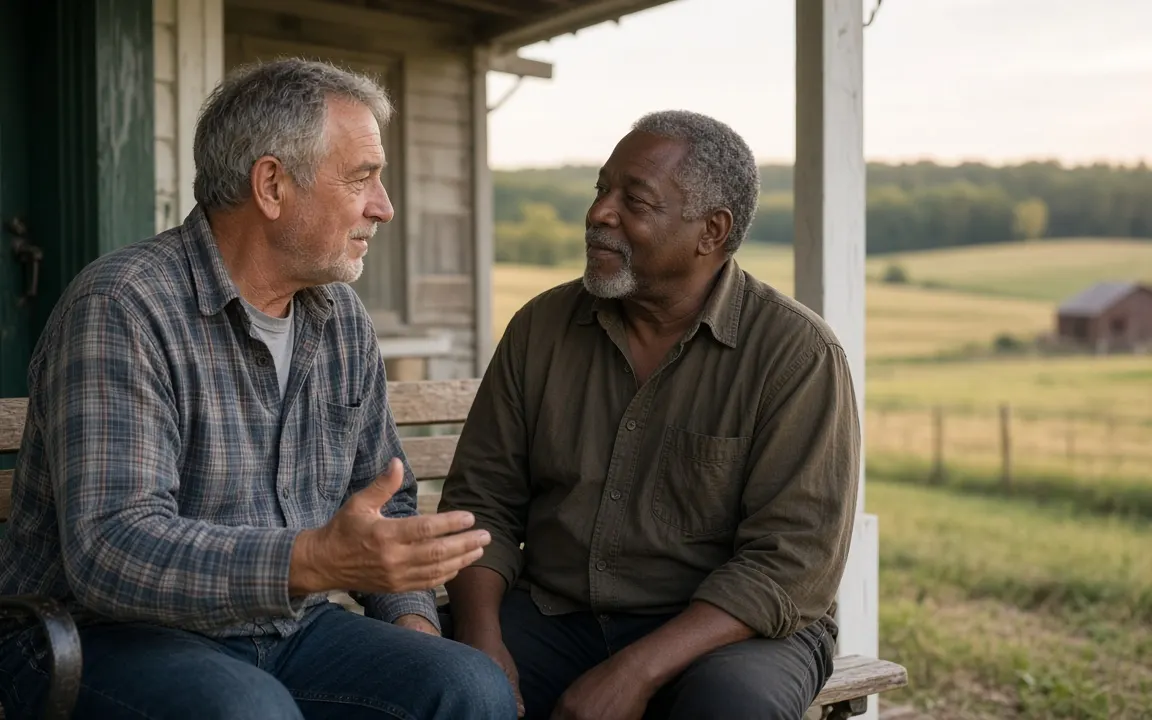
Indialantic, Florida
Finding your footing after a loss in Indialantic
The ocean can be a place of comfort after a loss, and it can also be a reminder. You may find the morning routine you shared with your pet feels empty for a while. Try changing one small detail rather than giving it up entirely. Pet loss support lines are free to call, and Melbourne counselors offer sessions face to face or on screen if grief stays heavy.
Indialantic is small enough that surfers, early beachgoers and neighbors often recognize each other's pets by sight. When one dies, friends may want to show up, and a short gathering on the porch or at a beach crossover can help. Some families paddle out together and sit quietly on the water. Others keep things private at home. Whatever you pick just has to feel true to you.
The quiet of a small town can make an empty house feel emptier. If your pet was your walking companion around Indialantic, keep walking the same lanes if you can bear to, or ask a neighbor with a dog to join you for a while. Keeping the habit of getting outside each day is one of the things people most often say helped them through the first months.
Indialantic's population is around 3,096, the 200th-largest of the 235 Florida communities we cover. Some of the providers who serve Indialantic are based about 58 miles away in Port St. Lucie, the nearest larger centre, so collection times reflect that drive.
For a second opinion on price, Melbourne Beach (1 miles), Melbourne (3 miles, a larger centre) and Palm Bay (4 miles, a larger centre) are close enough that their providers cover Indialantic routinely. Two written quotes tell you more than any price list.
Our estimate
1,150
Indialantic: dog- or cat-owning households, our estimate
How we calculated this
3,096 ÷ 2.5 = 1,238 households; × 53% (dog) + 39% (cat) = 1,150. Multi-pet homes count once.
Our estimate
90
Indialantic families who lose a dog or cat each year (estimate)
How we calculated this
1,150 dog/cat-owning homes ÷ average lifespan (dog: 12.69 yrs + cat: 11.18 yrs) ≈ 90 a year. A floor, not a ceiling.
53%[1]
53% of US households own a dog, which is about 71 million households.
12.69 years[2]
US dogs have an average life expectancy at birth of 12.69 years.
39%[3]
39% of US households own a cat, which is about 53 million households.
11.18 years[4]
US cats seen at Banfield hospitals have an average life expectancy at birth of 11.18 years.
To check the figures yourself, see American Pet Products Association (APPA) 2025 State of the Industry and Montoya et al. 2023, Frontiers in Veterinary Science.
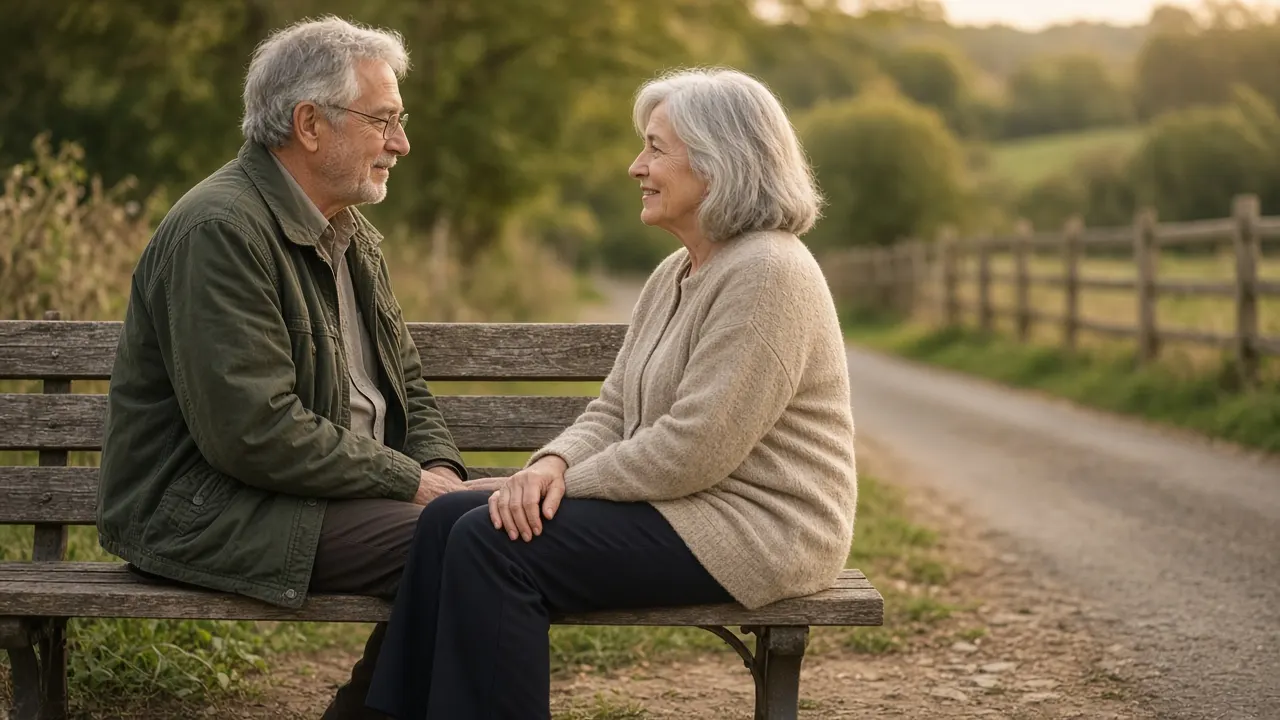
How people in Florida mark a death
Cremation is the usual choice in Florida: about 72.5%[5] of people who die there are cremated. Where cremation is this common, remembrance often isn't tied to a grave. Families hold celebrations of life, scatter ashes somewhere meaningful or keep them at home. Pet loss tends to follow the same pattern, which can leave grief without a fixed place to visit. Choosing one, a bench, a trail or a tree, often helps.
Source for the Florida number: NFDA 2024 Cremation & Burial Report state projections (via Occasional Sage) (2024). Nobody publishes a pet cremation rate for Indialantic, so the human figure is the best local signal available.
Indialantic's seasons and your grief
Indialantic summers are hot, with July highs averaging around 91°F. If your pet loved the outdoors, the heat can make the old routine feel even emptier: the early walk you took before the day warmed up still wakes you at the same time. Some people keep that hour for themselves, with a coffee on the porch or a short walk, as a quiet way to remember.
Pets in warm places have their summer habits: the cool tile by the back door, the spot under the air-conditioning vent, the paddling pool on the patio. In Indialantic, those places hold a lot of memory by July. Some families leave the spot as it is for a while; others put a plant or a photo there. Noticing where your pet used to cool off can be a gentle way to remember them.
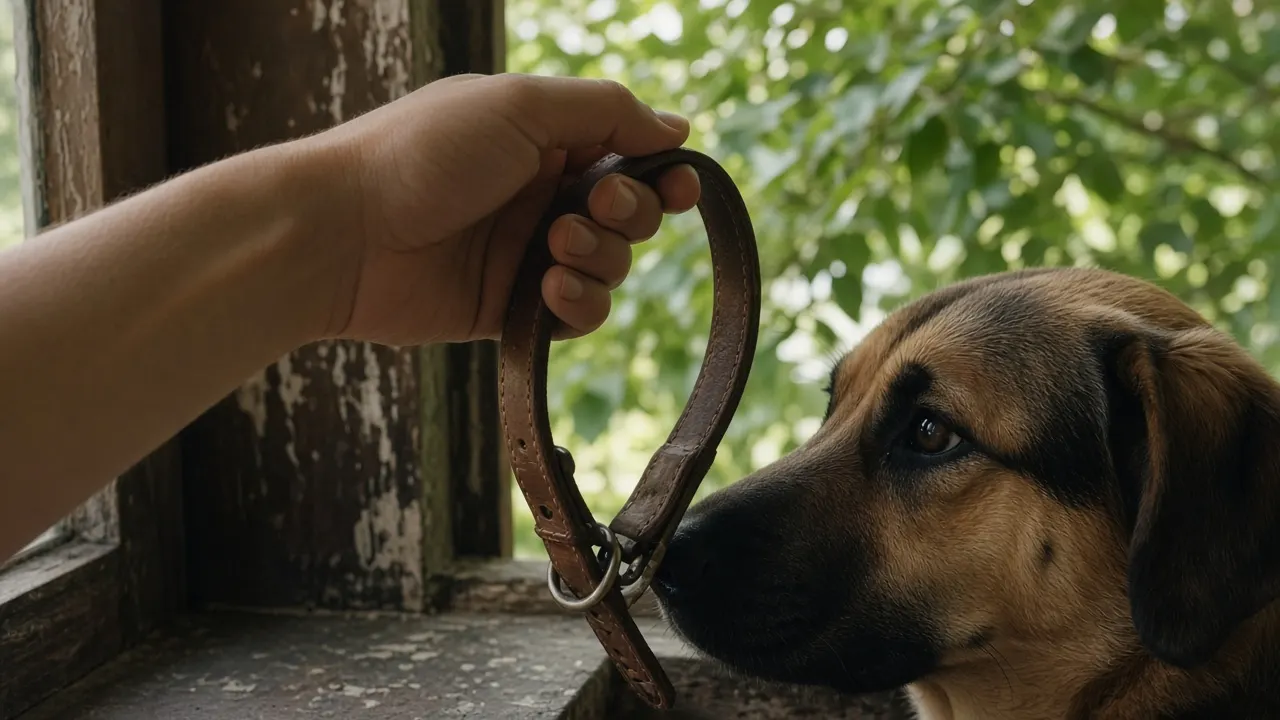
Budgeting for support and aftercare in Indialantic
By our estimate, roughly 850,000 bereaved US pet households a year[6] may not find the grief support they need. Cost is rarely the real barrier, since most support is free; knowing where to look is. That's the gap this page tries to close for Indialantic. The table below separates free help from paid help and shows the aftercare bills that often land in the same week.
We keep the detailed Florida price table on one page so it stays current: see Florida prices.

Free tool
Memorial budget planner
Add up cremation, urn, keepsakes and a farewell so the total holds no surprises.
Permissions worth checking in Florida
Two practical questions come up most after a pet dies: can I take time off, and where can I lay them to rest? Time off is between you and your employer, and a child's school will usually excuse a day if you explain. Burial and scattering fall under local rules, and here's the Florida summary we keep.
Florida keeps an official directory of local governments; use it to reach the county or city office that covers Indialantic.
We keep Florida's burial and scattering rules in one place: the Florida rules summary. Before a home burial in Indialantic, also ask the city whether local ordinances add anything.
Getting through the first month
- Tell one person tonight. A text is enough. Somebody should know you're going through this alone.
- Change the silence. A radio, a podcast or a call during the hours your pet was most present can take the edge off.
- Put one outing a day on the calendar. Small is fine: a coffee, a stop at the library, the usual walk at the usual hour.
- Find an evening online group, since the hours after dinner are often when living alone feels loudest.
- Keep an eye on drinking and sleep. On your own, it's easy for both to drift. If they do, talk to your doctor.
- If a night turns very dark, call a crisis line. Every sort of grief is a fair reason to ring, and feeling the way you do is reason enough on its own.
Keeping their memory close in Indialantic
For children in Indialantic, losing a pet may be their first real brush with death. Speak plainly and gently, and steer clear of phrases like went away. Invite them to help create a small memorial: a jar of shells, a painted rock for the garden or a drawing to keep with the urn. Let them ask anything, and do not worry if the same questions come up again.
See what each option includes on our services page, run the numbers with the free planning tools, or look at how readers voted in our polls, look through our guides and the blog. More local pages: Port St. Lucie, Jacksonville, St. Petersburg and Tampa, the Florida overview and every city in the United States.

Reader polls
What would you choose?
Vote anonymously and see how other readers answered. The results are live counts from people who visit this site, so they show real opinions, not a scientific sample.
How did your workplace respond when your pet died?
Tap an answer to vote and see how others answered. Anonymous.
What words did you use to tell a child the pet had died?
Tap an answer to vote and see how others answered. Anonymous.
If you had to decide today, which aftercare would you choose for your pet?
Tap an answer to vote and see how others answered. Anonymous.

Free tools to help you plan
Memorial budget planner
Add up cremation, urn, keepsakes and a farewell so the total holds no surprises.

Pet loss grief check-in
A private, two-minute check-in on how you're coping, with ideas that match where you are.

Farewell & memorial service planner
Build a simple goodbye: who, where, readings, rituals and a checklist.
Questions people ask
How many pet owners live in Indialantic?
By our estimate, about 1,150 households in Indialantic have at least one dog or cat, and around 90 are lost each year. We calculate this from the city's population of about 3,096, the average household size and national ownership and lifespan figures, so treat it as a floor rather than an exact count.
Does the Indialantic climate change what I should do first?
Only the timing. In July, with highs near 91°F, cool the body and book collection the same day. Winters here are mild enough that burial or scattering is possible in any month.
Is cremation common in Florida?
For people, yes: about 72.5%[5] of Florida deaths end in cremation, according to NFDA 2024 Cremation & Burial Report state projections (via Occasional Sage) (2024). Nobody publishes the same figure for pets, but in our experience pet choices in Indialantic follow the human pattern closely, so cremation is the default most families here start from.
Where are the providers that serve Indialantic actually based?
Some are local, and some run from Port St. Lucie, about 58 miles away. That is normal for a town this size. What matters is the collection time they quote for Indialantic and whether the drive is priced into the total, so ask both up front.
Is summer a bad time for an outdoor pet memorial in Indialantic?
It just needs planning. In hot weather, choose early morning or just before sunset, find shade and bring water. Keep it short: a few words, a photo, a scattering or a planting. If the heat makes it hard, you can hold a simple indoor gathering now and an outdoor ritual in a cooler month. Ashes can be kept safely at home for as long as you like.
What should I do with my pet's bed, bowls and toys?
Nothing, until you're ready. Some people pack everything away within days because seeing it hurts; others leave the bed in place for months. Both are normal. When you're ready, you might keep one or two favorite things, pass unused food and bedding to a local shelter in Indialantic, and put the collar somewhere safe. There's no deadline for any of it.


Sources and our estimates
- [1] 53% of US households own a dog, which is about 71 million households. American Pet Products Association (APPA) 2025 State of the Industry, 2025.
- [2] US dogs have an average life expectancy at birth of 12.69 years. Montoya et al. 2023, Frontiers in Veterinary Science - Banfield Pet Hospital life expectancy tables (13.3 million dogs, 2.4 million cats, 2013-2019), 2023.
- [3] 39% of US households own a cat, which is about 53 million households. American Pet Products Association (APPA) 2025 State of the Industry, 2025.
- [4] US cats seen at Banfield hospitals have an average life expectancy at birth of 11.18 years. Montoya et al. 2023, Frontiers in Veterinary Science - Banfield Pet Hospital life expectancy tables (13.3 million dogs, 2.4 million cats, 2013-2019), 2023.
- [5] The NFDA projected Florida's cremation rate at 72.5% for 2024. NFDA 2024 Cremation & Burial Report state projections (via Occasional Sage), 2024.
- [6] Roughly 850,000 bereaved U.S. pet households a year may not find the grief support they need. Our estimate: 1.5M pet cremations x 56.7% couldn't find support. How we calculate.
- [7] Each year about 110,000 U.S. pet owners may go on to meet prolonged grief disorder criteria after a pet dies. Our estimate: 1.5M pet cremations (proxy for pet deaths with an engaged owner) x 7.5% PGD rate. How we calculate.
Tell us what would help
Tell us what you need and where you are. We'll reply by email with clear options and prices so you can decide in your own time.