When your pet dies in St. Cloud: support for the grief
Around 2,250 St. Cloud families lose a dog or cat each year, by our estimate, and most of that grief happens quietly. This guide covers groups, helplines, counselors and rituals.
- Local and online options for St. Cloud
- Honest costs: what's free and what isn't
- Private, free to ask, no pressure
St. Cloud, Minnesota
Pet loss support in St. Cloud: the local picture
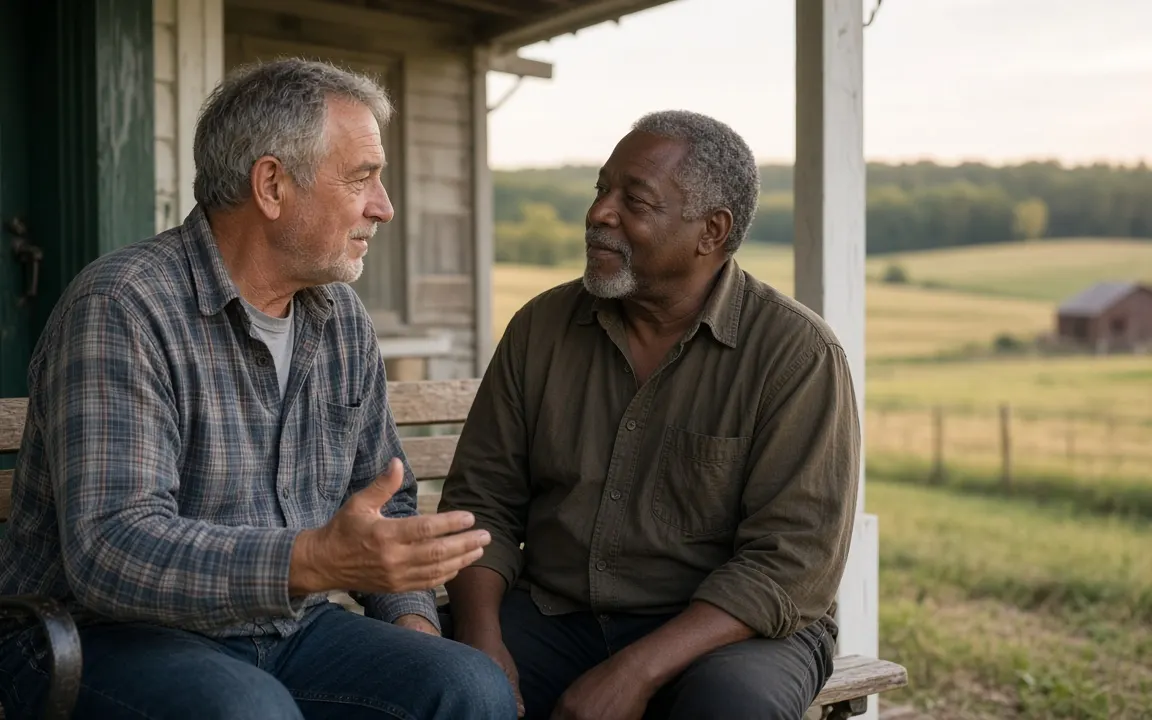
Out in the countryside around St. Cloud, the death of a pet can leave someone very alone, especially older farmers or people who live alone with their animals. Staying in touch with neighbors, family and a church community matters in those weeks. Online pet loss groups and veterinary school hotlines are available at any hour, and a conversation with someone who has lost an animal too can ease the load.
Students at St. Cloud State who get word that the family animal has died back home often miss the goodbye entirely, and that absence can make grief harder to process. Campus counseling services see this regularly and can help. A video call during the farewell, or a keepsake mailed to campus such as a clipping of fur or a photo, lets a student feel included.
In a town like St. Cloud, your vet may be the person who best understands what you've lost. Many small-town vets knew your pet for its whole life and will remember them. A short phone call or card afterward is welcome on both sides, and it's a natural moment to ask whether they know anyone locally who offers pet loss support or holds remembrance events.
About 72,647 people live in St. Cloud, which makes it the 12th-largest of the 67 Minnesota communities we cover. Minneapolis, roughly 58 miles off, is the closest larger centre, and a share of the providers who cover St. Cloud run from there.
Nearby, we also have local pages for Sartell (7 miles), Elk River (32 miles) and Otsego (32 miles), which can help if your vet or the provider you prefer is based there.
Our estimate
26,500
How many dog- or cat-owning households St. Cloud has (estimate)
How we calculated this
72,647 ÷ 2.5 = 29,059 households; × 53% (dog) + 39% (cat) = 26,500. Multi-pet homes count once.
Our estimate
2,250
dog and cat deaths per year in St. Cloud, our estimate
How we calculated this
26,500 dog/cat-owning homes ÷ average lifespan (dog: 12.69 yrs + cat: 11.18 yrs) ≈ 2,250 a year. A floor, not a ceiling.
53%[1]
53% of US households own a dog, which is about 71 million households.
12.69 years[2]
US dogs have an average life expectancy at birth of 12.69 years.
39%[3]
39% of US households own a cat, which is about 53 million households.
11.18 years[4]
US cats seen at Banfield hospitals have an average life expectancy at birth of 11.18 years.
We built the this numbers from Montoya et al. 2023, Frontiers in Veterinary Science and American Pet Products Association (APPA) 2025 State of the Industry, and both are worth a look if you want the detail.
What local memorial customs mean for your grief
About 68.5%[5] of people in Minnesota are cremated, a figure that has risen steadily as families move away from traditional funerals. Memorial customs here are a mix of old and new: some people still visit graves every holiday, others scatter ashes and hold a celebration of life. You can borrow from either when you mark a pet's death, and nobody gets to tell you which is right.
The Minnesota percentage above is from NFDA 2024 Cremation & Burial Report state projections (via Occasional Sage) (2024) and refers to human funerals. Treat it as context for St. Cloud, not as a count of pets.
Weather, seasons and remembrance in St. Cloud
The winter holidays can be a hard stretch after a pet dies, with empty spots at gatherings and a stocking nobody will fill. Some families in cold places like St. Cloud hang an ornament with their pet's name or give to a shelter in their memory each year. Small rituals like these acknowledge the gap instead of pretending it isn't there.
A winter loss in St. Cloud doesn't have to wait until spring to be marked. A candle in the window, a bird feeder hung in your pet's name or a small gathering indoors with photos can all happen now. When the weather turns, you can add something outdoors: a tree, a memorial stone or a scattering on a favorite trail.

Budgeting for support and aftercare in St. Cloud
By our estimate, about 110,000 US pet owners a year[6] may go on to meet the criteria for prolonged grief disorder, a recognized condition in which grief stays intense and disabling for many months. That's where paid counseling earns its fee. For most people in St. Cloud, free support is enough. If months pass and you're still barely functioning, a licensed therapist is worth the cost, and insurance may cover it.
For a line-by-line price table, see the Minnesota overview; for what's included in each option, see our services.

Free tool
Memorial budget planner
Add up cremation, urn, keepsakes and a farewell so the total holds no surprises.
Time off, burial and scattering in Minnesota
Rules rarely come up in grief until you want to bury your pet in the yard, scatter ashes somewhere meaningful or take time off work. Burial and scattering are set locally, while pet bereavement leave is almost never required by law, so it depends on your employer. Where we have details for Minnesota, they're below; your city or local council can confirm anything else.
Minnesota keeps an official directory of local governments; use it to reach the county or city office that covers St. Cloud.
Home burial and scattering are governed at the Minnesota level first; our Minnesota rules summary has the detail. Then check whether St. Cloud or your HOA adds anything.
What helps, one step at a time
- Tell one person tonight, even by text, so someone knows you're on your own with this.
- Change the silence. A radio, a podcast or a call during the hours your pet was most present can take the edge off.
- Put one outing a day on the calendar, however small: a coffee, a library visit, a walk at the old time.
- Find an evening online group, since the hours after dinner are often when living alone feels loudest.
- Keep an eye on drinking and sleep. On your own, it's easy for both to drift. If they do, talk to your doctor.
- If a night turns very dark, call a crisis line. They take calls about every kind of loss, and you don't need a reason beyond how you feel.
Places and ways to remember them
Many central Minnesota vets will drive out for euthanasia, a real mercy for elderly or heavy pets that struggle to get into a car, and for owners on farms far from town. A peaceful end at home, on a familiar rug or in the yard, can soften the day. Afterward, the vet or the aftercare service arranges for collection at a time that suits you.
the planning tools turn your pet's details into figures, or compare your instinct with the poll results, For a plain comparison of the choices, open services, go deeper with the guides or catch up on recent articles. If you live between St. Cloud and Rochester, Brooklyn Park, Minneapolis and Bloomington, either page applies. Every other community in Minnesota, and all of the United States, is listed too.

Reader polls
What would you choose?
Vote anonymously and see how other readers answered. The results are live counts from people who visit this site, so they show real opinions, not a scientific sample.
Which kind of support have you tried since your loss?
Tap an answer to vote and see how others answered. Anonymous.
How do you mark the day your pet died?
Tap an answer to vote and see how others answered. Anonymous.
If you had to decide today, which aftercare would you choose for your pet?
Tap an answer to vote and see how others answered. Anonymous.

Free tools to help you plan
Memorial budget planner
Add up cremation, urn, keepsakes and a farewell so the total holds no surprises.

Pet loss grief check-in
A private, two-minute check-in on how you're coping, with ideas that match where you are.
Farewell & memorial service planner
Build a simple goodbye: who, where, readings, rituals and a checklist.
Questions people ask
Which nearby towns can I compare with St. Cloud?
The closest communities we cover are Sartell (about 7 miles), Elk River (about 32 miles) and Otsego (about 32 miles). Providers based in those places often serve St. Cloud too. Ask each one for a written total that includes collection, so the distance is priced in.
How do Minnesota attitudes to cremation compare?
NFDA 2024 Cremation & Burial Report state projections (via Occasional Sage) (2024) puts the Minnesota human cremation rate at about 68.5%[5]. We show it on the St. Cloud page because pet aftercare choices tend to track it: where cremation is normal for people, communal and private pet cremation are both easy to find.
When is the hardest time of year to arrange a burial in St. Cloud?
January, February, March, November and December: average lows are below freezing then, and frozen ground makes a home grave slow or impossible until it thaws. The other pressure point is July, when highs around 82°F mean a body needs cooling and collecting quickly.
How many pet owners live in St. Cloud?
By our estimate, about 26,500 households in St. Cloud have at least one dog or cat, and around 2,250 are lost each year. We calculate this from the city's population of about 72,647, the average household size and national ownership and lifespan figures, so treat it as a floor rather than an exact count.
How do I find a counselor in St. Cloud who understands pet loss?
Look for a licensed counselor, clinical social worker or psychologist who lists grief or bereavement as a focus, then ask directly whether they've supported people after a pet's death. Specialists in pet loss are uncommon, but a bereavement-trained therapist who takes animal loss seriously is often just as helpful. Many work by video, which widens your choice beyond St. Cloud. Ask about fees and insurance before the first session.
Why do I feel so guilty after putting my pet to sleep?
Because you were responsible for them and had to decide with incomplete information. Guilt is one of the most common reactions after euthanasia, even when the timing was right. Most pets now die this way: in a large US study, 83.0%[8] of dog deaths were by euthanasia. Writing down what you knew on the day, and talking it through with someone, usually eases the loop.


Sources and our estimates
- [1] 53% of US households own a dog, which is about 71 million households. American Pet Products Association (APPA) 2025 State of the Industry, 2025.
- [2] US dogs have an average life expectancy at birth of 12.69 years. Montoya et al. 2023, Frontiers in Veterinary Science - Banfield Pet Hospital life expectancy tables (13.3 million dogs, 2.4 million cats, 2013-2019), 2023.
- [3] 39% of US households own a cat, which is about 53 million households. American Pet Products Association (APPA) 2025 State of the Industry, 2025.
- [4] US cats seen at Banfield hospitals have an average life expectancy at birth of 11.18 years. Montoya et al. 2023, Frontiers in Veterinary Science - Banfield Pet Hospital life expectancy tables (13.3 million dogs, 2.4 million cats, 2013-2019), 2023.
- [5] The NFDA projected Minnesota's cremation rate at 68.5% for 2024. NFDA 2024 Cremation & Burial Report state projections (via Occasional Sage), 2024.
- [6] Each year about 110,000 U.S. pet owners may go on to meet prolonged grief disorder criteria after a pet dies. Our estimate: 1.5M pet cremations (proxy for pet deaths with an engaged owner) x 7.5% PGD rate. How we calculate.
- [7] About 7 in every 100 UK adults may have had a pet's death hit harder than any human loss. Our estimate: 32.6% have lost a pet x 21% chose pet as most distressing. How we calculate.
- [8] In the Dog Aging Project, 83.0% of 646 US dog deaths (Dec 2019-Mar 2021) were by euthanasia. Dog Aging Project End of Life Survey - Journal of the American Veterinary Medical Association (2026), via PubMed Central, 2026.
Ask us to look for support near you
Tell us what you need and where you are. We'll reply by email with clear options and prices so you can decide in your own time.