Pet bereavement support for Fayetteville families
Roughly 77,000 Fayetteville households have a dog or cat, by our estimate. Losing one is common, but it rarely feels ordinary. Here's how to find support that takes it seriously.
- Rituals for the first weeks and the first year
- Groups that meet in person or by video
- Plain answers about guilt after euthanasia
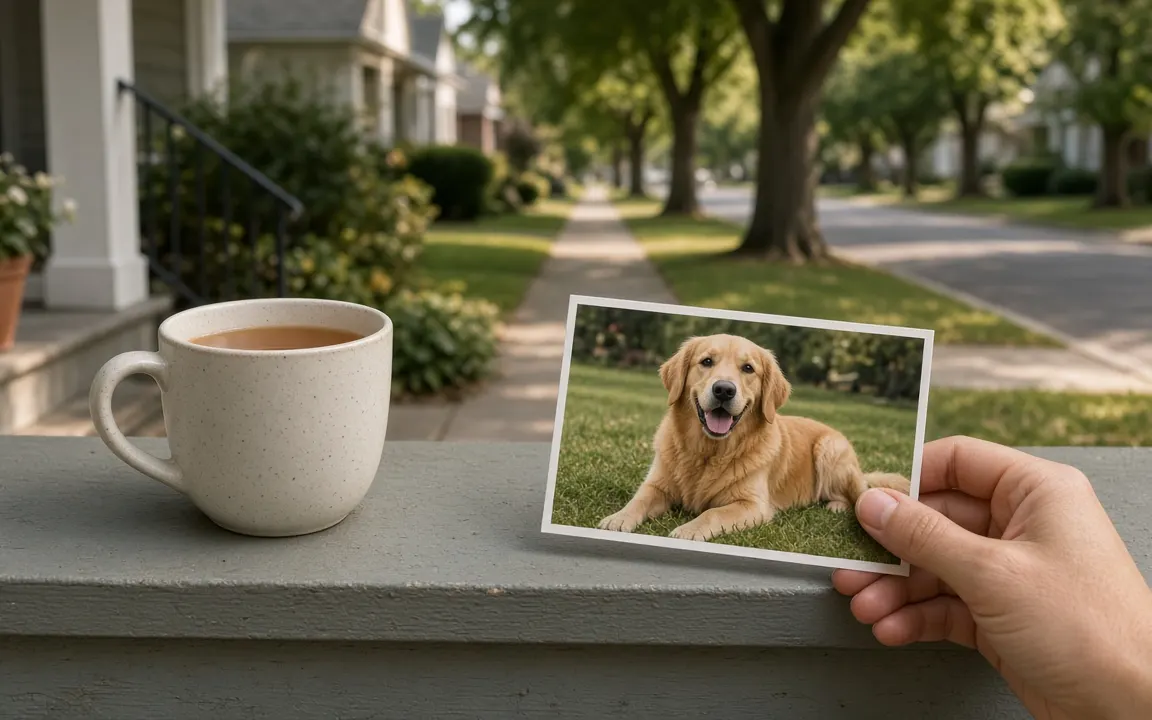
Fayetteville, North Carolina
Where Fayetteville pet owners find support
A pet's farewell in Fayetteville can be simple: a quiet goodbye at home before collection, a few words with the family, or a small gathering with friends from the unit or neighborhood. If a family member is deployed, some families hold a video call so everyone can say goodbye together. If timing matters because of a deployment or a move, include the dates in your request and we'll look for providers who can work with them.
For military families in Fayetteville, a pet is often the one constant through moves, deployments and new schools, the family member who was there in every house. Losing that pet can hit especially hard, particularly for children who have already said goodbye to friends many times. Grief like this is normal and deserves room. Talking together, looking at photos and giving children their own way to say goodbye can help.
Counselors in Fayetteville who specialize only in pet loss can be rare, so widen the search a little. A licensed therapist with bereavement training who takes animal loss seriously is often just as helpful. Many offer video sessions across the whole region, which widens your choice well beyond the city limits. Ask about fees, insurance and whether they've worked with pet loss before your first appointment.
About 209,120 people live in Fayetteville, which makes it the 6th-largest of the 64 North Carolina communities we cover. The nearest larger centre is Raleigh, about 52 miles (83 km) away, which is where some providers serving Fayetteville are based.
Our pages for Hope Mills (8 miles), Pinehurst (29 miles) and Sanford (31 miles) describe the same choices from those towns' point of view, and the providers overlap, so a quote from one often covers Fayetteville as well.
Our estimate
77,000
Fayetteville: dog- or cat-owning households, our estimate
How we calculated this
209,120 ÷ 2.5 = 83,648 households; × 53% (dog) + 39% (cat) = 77,000. Homes are counted once however many pets they keep.
Our estimate
6,400
Fayetteville families who lose a dog or cat each year (estimate)
How we calculated this
77,000 dog/cat-owning homes ÷ average lifespan (dog: 12.69 yrs + cat: 11.18 yrs) ≈ 6,400 a year. Treat it as a minimum.
53%[1]
53% of US households own a dog, which is about 71 million households.
12.69 years[2]
US dogs have an average life expectancy at birth of 12.69 years.
39%[3]
39% of US households own a cat, which is about 53 million households.
11.18 years[4]
US cats seen at Banfield hospitals have an average life expectancy at birth of 11.18 years.
None of the figures on this this page are ours alone: they rest on American Pet Products Association (APPA) 2025 State of the Industry and Montoya et al. 2023, Frontiers in Veterinary Science.

What local memorial customs mean for your grief
Cremation is now the majority choice in North Carolina, at about 57.3%[5] of deaths, but burial and graveside visits still matter to many families. If you grew up with a grave to visit, grieving a pet whose ashes sit on a shelf can feel unfinished. Some people create a place anyway, such as a marked spot in the garden or a memorial stone, so the grief has somewhere to go.
The North Carolina figure comes from NFDA 2024 Cremation & Burial Report state projections (via Occasional Sage) (2024). It describes people, not pets, so read it as a sign of local attitudes rather than a pet statistic.
When Fayetteville's weather meets a hard season
Grief is physically tiring, and heat adds to it. In Fayetteville, where July highs average about 92°F, people who've just lost a pet often forget to eat or drink properly, then wonder why they feel so flat. Keep a water bottle within reach and eat something simple at regular times. Looking after your body won't take the sadness away, but it gives you more to meet it with.
Pets in warm places have their summer habits: the cool tile by the back door, the spot under the air-conditioning vent, the paddling pool on the patio. In Fayetteville, those places hold a lot of memory by July. Some families leave the spot as it is for a while; others put a plant or a photo there. Noticing where your pet used to cool off can be a gentle way to remember them.
Free and paid support for Fayetteville families
Before paying for counseling in Fayetteville, check two routes many people overlook. Lots of employers offer an employee assistance program with a few confidential sessions at no charge, and grief counts. Some health plans also cover therapy when grief affects sleep, work or mood. Your vet is another free starting point: 48.8%[6] of US owners call their veterinary team their main source of end-of-life advice.
For a line-by-line price table, see the North Carolina overview; for what's included in each option, see our services.

Free tool
Memorial budget planner
Add up cremation, urn, keepsakes and a farewell so the total holds no surprises.
What North Carolina allows for burial and scattering
Shared spaces need a little diplomacy. A garden in a shared building, a family farm owned by several siblings or a community plot in North Carolina each involve someone else's permission, even where the law allows a burial or scattering. A short conversation beforehand avoids hurt feelings later. The rules we have on record for North Carolina are set out below.
Not sure which office covers Fayetteville? The North Carolina local government directory is the official list.
We keep North Carolina's burial and scattering rules in one place: the North Carolina rules summary. Before a home burial in Fayetteville, also ask the city whether local ordinances add anything.
A gentle plan for the weeks ahead
- Give yourself the patience you'd give a friend. Grief after a pet can be as intense as grief after a person.
- Take your time over aftercare decisions. If you haven't chosen yet, it's fine to ask your vet or provider for a day or two to think.
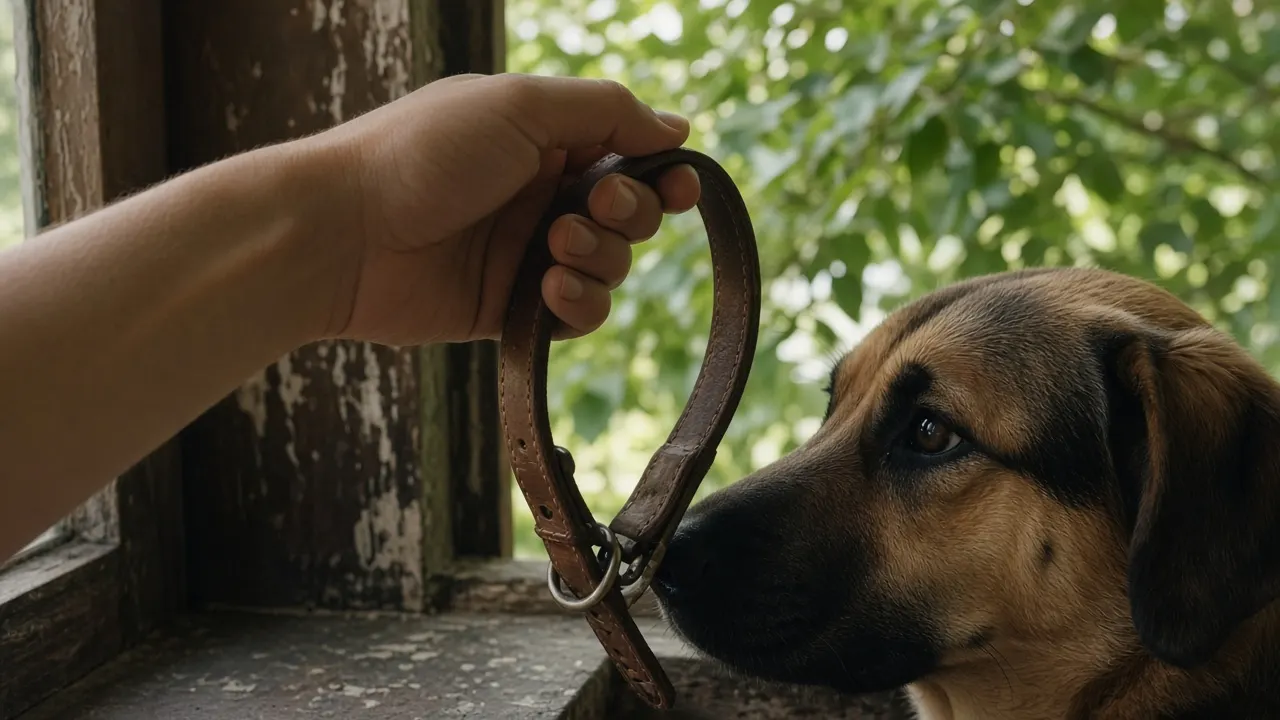
- Keep one or two of their things out in plain view: the collar on a hook, maybe, or the toy they wore out.
- Choose a place to grieve: a spot in the garden, a bench on a favorite walk or a shelf with their photo.
- Reach beyond your household when the loneliness sets in. In a group or on a pet bereavement line, nobody needs the hurt explained to them. If it helps, we can email you options too.
- Know the crisis number where you live, and call it if a night turns darker than you can manage. They hear about every sort of loss, this one included.
Keeping their memory close in Fayetteville
Military communities have their own support networks, and chaplains and family support staff are used to helping with all kinds of loss, including the loss of a pet. Pet loss counselors and online groups are also available. If sadness lingers for weeks, reaching out is a sensible step. Some families mark the anniversary by planting something at their next home, wherever the military takes them.
the planning tools turn your pet's details into figures, or see how other readers answered in our polls, read our guides and latest articles, Compare every option on our services page. More local pages: Charlotte, Durham, Raleigh and Cary, the North Carolina overview and every city in the United States.

Reader polls
What would you choose?
Vote anonymously and see how other readers answered. The results are live counts from people who visit this site, so they show real opinions, not a scientific sample.
Which moment of the day feels emptiest now?
Tap an answer to vote and see how others answered. Anonymous.
How did your workplace respond when your pet died?
Tap an answer to vote and see how others answered. Anonymous.
If you had to decide today, which aftercare would you choose for your pet?
Tap an answer to vote and see how others answered. Anonymous.

Free tools to help you plan
Memorial budget planner
Add up cremation, urn, keepsakes and a farewell so the total holds no surprises.

Pet loss grief check-in
A private, two-minute check-in on how you're coping, with ideas that match where you are.

Farewell & memorial service planner
Build a simple goodbye: who, where, readings, rituals and a checklist.
Questions people ask
Why does the Fayetteville page quote a human cremation rate?
Because it is the best local signal we have. NFDA 2024 Cremation & Burial Report state projections (via Occasional Sage) (2024) reports about 57.3%[5] of North Carolina residents are cremated. There is no official pet equivalent, and inventing one would be worse than quoting a real, clearly labelled number.
Does the Fayetteville climate change what I should do first?
Only the timing. In July, with highs near 92°F, cool the body and book collection the same day. In January, when lows sit below freezing, a home burial may have to wait for a thaw, so cremation with ashes returned keeps your options open.
How many pet owners live in Fayetteville?
By our estimate, about 77,000 households in Fayetteville have at least one dog or cat, and around 6,400 are lost each year. We calculate this from the city's population of about 209,120, the average household size and national ownership and lifespan figures, so treat it as a floor rather than an exact count.
Will I have to travel to Raleigh to arrange things?
Not usually. Providers based in Raleigh (roughly 52 miles from Fayetteville) collect from here as a matter of routine, and the paperwork is done by email or phone. If you want to be present for a witnessed cremation, that is when the drive matters.
Is it normal to grieve my pet more than some people I've lost?
Yes, and it's more common than people admit. In a 2026 UK study, 21.0%[8] of people who had lost both a pet and a person named the pet's death as their most distressing loss. Research comparing the two found closeness, not species, is the strongest predictor of how much it hurts. A pet shares every ordinary hour, which is exactly why the gap feels so big.
What is anticipatory grief?
It's grief that starts before a pet dies, often during a long illness or old age. In the RSPCA survey, 75.4%[9] of owners experienced it. It can bring sadness, irritability and guilt about feeling sad while your pet is still here. That's normal. Many people find it helps to plan a few good days together and to ask the vet what the end might look like.


Sources and our estimates
- [1] 53% of US households own a dog, which is about 71 million households. American Pet Products Association (APPA) 2025 State of the Industry, 2025.
- [2] US dogs have an average life expectancy at birth of 12.69 years. Montoya et al. 2023, Frontiers in Veterinary Science - Banfield Pet Hospital life expectancy tables (13.3 million dogs, 2.4 million cats, 2013-2019), 2023.
- [3] 39% of US households own a cat, which is about 53 million households. American Pet Products Association (APPA) 2025 State of the Industry, 2025.
- [4] US cats seen at Banfield hospitals have an average life expectancy at birth of 11.18 years. Montoya et al. 2023, Frontiers in Veterinary Science - Banfield Pet Hospital life expectancy tables (13.3 million dogs, 2.4 million cats, 2013-2019), 2023.
- [5] The NFDA projected North Carolina's cremation rate at 57.3% for 2024. NFDA 2024 Cremation & Burial Report state projections (via Occasional Sage), 2024.
- [6] 48.8% of US pet owners named their veterinary team as their primary resource for recommendations on pet death and dying. Cooney, Kogan, Brooks, Ellis - Pet Owners' Expectations for Pet End-of-Life Support and After-Death Body Care, Topics in Companion Animal Medicine (2020), 2020.
- [7] About 7 in every 100 UK adults may have had a pet's death hit harder than any human loss. Our estimate: 32.6% have lost a pet x 21% chose pet as most distressing. How we calculate.
- [8] Among UK adults who had lost both a pet and a person, 21.0% named the pet's death as their most distressing bereavement. Hyland et al., 'No pets allowed: Evidence that prolonged grief disorder can occur following the death of a pet', PLOS ONE (2026), 2026.
- [9] 75.4% of RSPCA pet-loss survey respondents experienced anticipatory grief before their pet died. RSPCA — Pet Loss Survey Results, 2026.
Tell us what would help
Tell us what you need and where you are. We'll reply by email with clear options and prices so you can decide in your own time.