Pet bereavement support for Seattle families
Around 24,000 Seattle families lose a dog or cat each year, by our estimate, and most of that grief happens quietly. This guide covers groups, helplines, counselors and rituals.
- Support that fits how you grieve
- Help for children and teenagers
- Wording for a time-off request at work
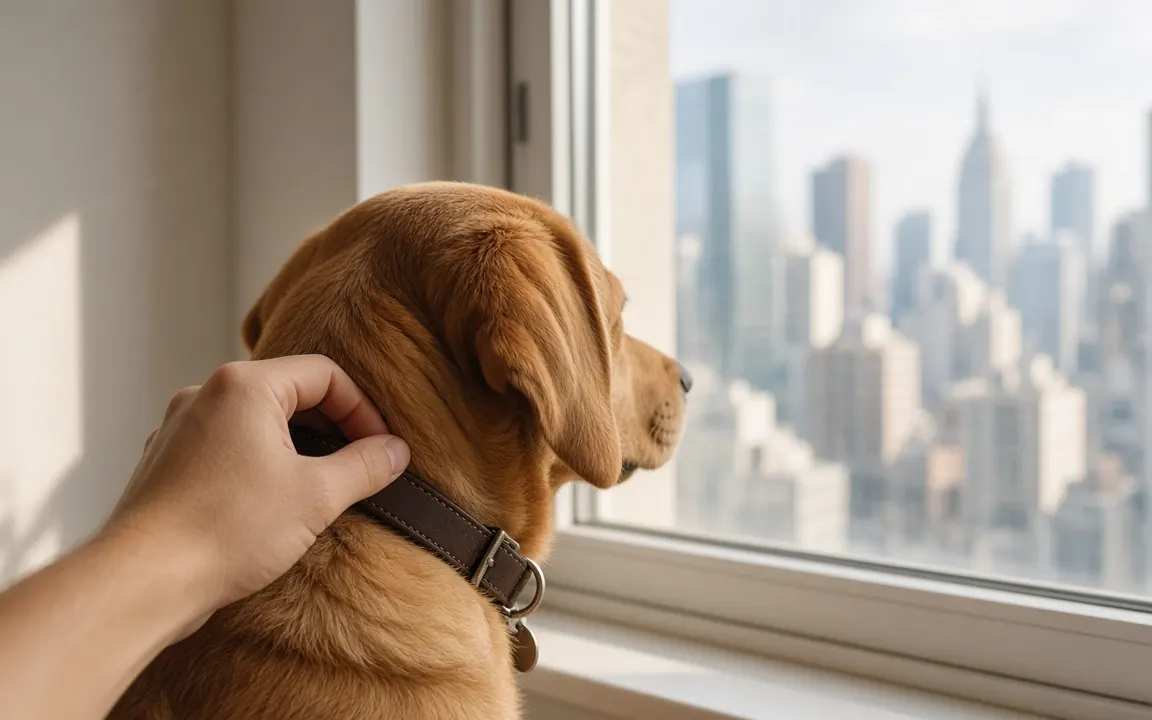
Seattle, Washington
What grieving a pet in Seattle can be like
A lot of Seattle residents moved here for work and have no relatives nearby, so a pet may have been the main household companion. When that pet dies, the apartment can feel suddenly empty. Tell the coworker or neighbor who always asked after your pet; you may be surprised how much they care. Online pet-loss groups also meet at hours that suit shift workers and people on Pacific time.
Seattle's famous reserve can make it feel awkward to talk about a pet's death, yet most people here treat their animals as family and understand the loss. A short farewell at home before collection, a small gathering when the ashes come back, or an evening with a few photographs and the people who loved your pet is as much ceremony as most families want.
A large city like Seattle can offer too much choice: several groups, dozens of therapists, workshops and memorial evenings. When you're exhausted, a long list feels like homework. Try narrowing it with one question: do I want to talk, listen or do something with my hands? Talkers tend to do well one-to-one, listeners in a group, and doers at a volunteering shift or a making session. Start there and adjust.
Seattle is home to about 784,777 people, the largest of the 67 Washington communities we cover.
Nearby, we also have local pages for Mercer Island (6 miles), Bellevue (6 miles) and Kirkland (8 miles), which can help if your vet or the provider you prefer is based there.
Our estimate
290,000
Estimated dog- or cat-owning households in Seattle
How we calculated this
784,777 ÷ 2.5 = 313,911 households; × 53% (dog) + 39% (cat) = 290,000. A household with several pets counts once.
Our estimate
24,000
Seattle families who lose a dog or cat each year (estimate)
How we calculated this
290,000 dog/cat-owning homes ÷ average lifespan (dog: 12.69 yrs + cat: 11.18 yrs) ≈ 24,000 a year. Treat it as a minimum.
53%[1]
53% of US households own a dog, which is about 71 million households.
12.69 years[2]
US dogs have an average life expectancy at birth of 12.69 years.
39%[3]
39% of US households own a cat, which is about 53 million households.
11.18 years[4]
US cats seen at Banfield hospitals have an average life expectancy at birth of 11.18 years.
To check the figures yourself, see Montoya et al. 2023, Frontiers in Veterinary Science and American Pet Products Association (APPA) 2025 State of the Industry.
Local customs around grief and cremation
Where cremation is as common as it is in Washington (about 79.1%[5] of deaths), a memorial often happens weeks after a death rather than within days. That delay suits pet grief well. You don't have to organize anything while you're still in shock; a gathering, a walk or a planting can come a month or two later, when you know what you want to say.
For the Washington figure we rely on Direct Cremate (citing CANA) (2024). Read it as a picture of local custom around death and remembrance in Seattle rather than as pet data.
How Seattle's climate shapes remembering
When every season looks much the same, grief can lose the natural markers other places get from winter and spring. Some people in Seattle create their own: planting something at the one-month mark, or visiting a favorite beach or park on the anniversary. Markers like these help you notice that things are changing, even when the calendar doesn't show it.
A mild climate is kind to memorial gardens. Around Seattle, a small bed with a plant that flowers for months, a smooth stone with your pet's name and somewhere to sit can be put together at any time of year. Tending it becomes a regular reason to step outside and think of them, which many people find easier than visiting a formal memorial.
Free and paid support for Seattle families
A good share of US pet loss support costs nothing at all. The first pet loss hotline opened at UC Davis in 1989[6], and university lines still run today: Cornell's Pet Loss Support Hotline is staffed by veterinary students trained by grief counselors, and Tufts runs a volunteer helpline with evening hours and voicemail. Check current times before calling from Seattle.
Prices for Seattle track the wider Washington market, so use the Washington price table as your baseline and the services page to see what is included.

Free tool
Memorial budget planner
Add up cremation, urn, keepsakes and a farewell so the total holds no surprises.
Rules that shape a goodbye in Washington
Shared spaces need a little diplomacy. A garden in a shared building, a family farm owned by several siblings or a community plot in Washington each involve someone else's permission, even where the law allows a burial or scattering. A short conversation beforehand avoids hurt feelings later. The rules we have on record for Washington are set out below.
For what Seattle itself says, see Seattle Animal Shelter. Its pages cover municipal collection; a private cremation is arranged separately. Washington keeps an official directory of local governments; use it to reach the county or city office that covers Seattle.
For Washington's rules on burying a pet at home or scattering ashes, see the Washington guide. Local rules in Seattle can be stricter than the state's, especially in homeowners' associations and rentals.
The first weeks after your pet dies, step by step
- Tell children plainly that your pet died and can't come back. Avoid 'went to sleep', which can make bedtime frightening.
- Give everyone a job in the goodbye: drawing a card, choosing a photo, picking a spot in the garden.
- Keep daily routines steady for children and other pets. Predictability helps both feel safe.
- Let the school know when a child is struggling. A teacher who's been told can be gentle instead of surprised by tears in class.
- Watch your other animals. Some search the house or eat less for a while; extra attention and a steady routine usually help.
- Plan a small family ritual about four weeks out. It gives everyone a date to look toward instead of only a loss to get past.
Keeping their memory close in Seattle
Grief often lands harder during Seattle's short, gray winter days. If you notice weeks passing without the sadness easing, that is a good reason to reach out to a counselor or a pet-loss support line. Getting outside on dry afternoons, even for a short loop around the neighborhood, and keeping regular meal and sleep times can steady you more than you'd expect.
browse in-depth guides or recent articles, the planning tools turn your pet's details into figures, or compare your instinct with the poll results, Our services overview lays out every option side by side. If you live between Seattle and Kent, Bellevue, Spokane and Tacoma, either page applies. Every other community in Washington, and all of the United States, is listed too.

Reader polls
What would you choose?
Vote anonymously and see how other readers answered. The results are live counts from people who visit this site, so they show real opinions, not a scientific sample.
How do you mark the day your pet died?
Tap an answer to vote and see how others answered. Anonymous.
Which moment of the day feels emptiest now?
Tap an answer to vote and see how others answered. Anonymous.
If you had to decide today, which aftercare would you choose for your pet?
Tap an answer to vote and see how others answered. Anonymous.

Free tools to help you plan
Memorial budget planner
Add up cremation, urn, keepsakes and a farewell so the total holds no surprises.

Pet loss grief check-in
A private, two-minute check-in on how you're coping, with ideas that match where you are.
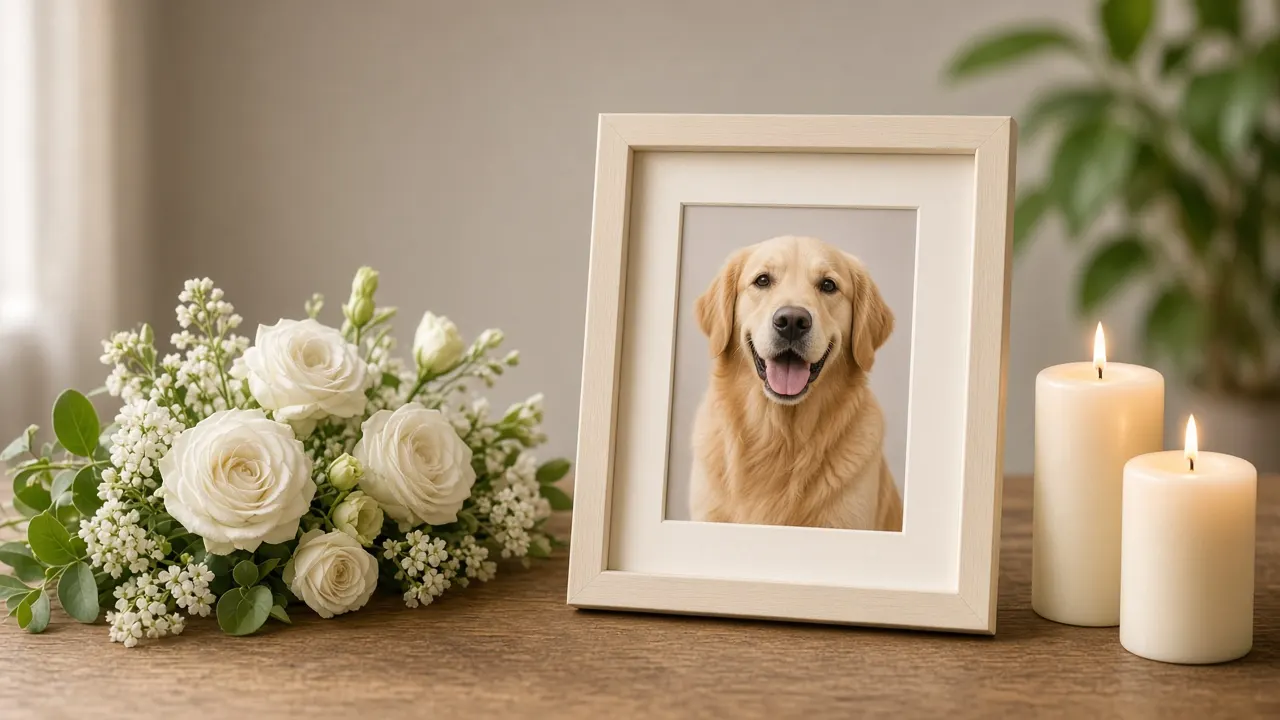
Farewell & memorial service planner
Build a simple goodbye: who, where, readings, rituals and a checklist.
Questions people ask
Is cremation common in Washington?
For people, yes: about 79.1%[5] of Washington deaths end in cremation, according to Direct Cremate (citing CANA) (2024). Nobody publishes the same figure for pets, but in our experience pet choices in Seattle follow the human pattern closely, so cremation is the default most families here start from.
Can a provider from a neighbouring town collect from Seattle?
Usually yes. Mercer Island is about 6 miles away, Bellevue is about 6 miles away and Kirkland is about 8 miles away, all inside a normal collection radius. Get the mileage written into the quote so there is no surprise on the day.
Roughly how many pets die in Seattle each year?
Our estimate is around 24,000. It comes from Seattle's population (about 784,777), the average household size, the share of homes with a dog or cat (about 290,000 households here) and the average lifespan. It is arithmetic, not a count, so read it as a rough floor.
How does Seattle's weather affect pet aftercare?
August is the hottest month in Seattle, with average highs around 77°F, so prompt collection matters most then. Winters are mild, with average lows staying above freezing, so outdoor burial or scattering is usually possible year round.
Why does grief feel worse in the evenings?
Because that's often when your pet's presence was strongest: the walk after work, the cat on your lap, the last trip outside before bed. The routine is still in your body even though they're gone. It can help to put something new into that hour, such as a call, a short walk or an online group that meets in the evening.
Do vets in Seattle offer any grief support?
Many vet practices don't run formal support, but staff see loss every week and usually know what exists locally, from groups to counselors who take animal loss seriously. Some send a sympathy card or a paw print, and a few host remembrance events. It's always fine to call and ask, even weeks later.


Sources and our estimates
- [1] 53% of US households own a dog, which is about 71 million households. American Pet Products Association (APPA) 2025 State of the Industry, 2025.
- [2] US dogs have an average life expectancy at birth of 12.69 years. Montoya et al. 2023, Frontiers in Veterinary Science - Banfield Pet Hospital life expectancy tables (13.3 million dogs, 2.4 million cats, 2013-2019), 2023.
- [3] 39% of US households own a cat, which is about 53 million households. American Pet Products Association (APPA) 2025 State of the Industry, 2025.
- [4] US cats seen at Banfield hospitals have an average life expectancy at birth of 11.18 years. Montoya et al. 2023, Frontiers in Veterinary Science - Banfield Pet Hospital life expectancy tables (13.3 million dogs, 2.4 million cats, 2013-2019), 2023.
- [5] Washington had a 79.1% cremation rate in 2024, among the highest in the US. Direct Cremate (citing CANA), 2024.
- [6] The first pet loss support hotline was set up in 1989 at the University of California, Davis, according to Cornell. Cornell University College of Veterinary Medicine, 2026.
- [7] Each year about 110,000 U.S. pet owners may go on to meet prolonged grief disorder criteria after a pet dies. Our estimate: 1.5M pet cremations (proxy for pet deaths with an engaged owner) x 7.5% PGD rate. How we calculate.
Tell us what would help
Tell us what you need and where you are. We'll reply by email with clear options and prices so you can decide in your own time.