When your pet dies in Clayton: support for the grief
Around 1,000 Clayton families lose a dog or cat each year, by our estimate, and most of that grief happens quietly. This guide covers groups, helplines, counselors and rituals.
- Local and online options for Clayton
- Honest costs: what's free and what isn't
- Private, free to ask, no pressure
Clayton, North Carolina
Pet loss support in Clayton: the local picture
Farewells in Clayton range from the very private to the neighborly. Some households invite the people next door to linger by the mailbox as the light goes and trade stories; others reserve a short private visit through the provider before the cremation. Young children in these busy households usually cope better holding a small task: picking out a snapshot or tucking a handwritten note beside the collar.
Sadness often catches Clayton owners during ordinary routines: the evening loop past familiar mailboxes, a leftover bowl by the back door, the hush at suppertime. For a few weeks it may help to meet those moments on purpose, by lighting a candle at feeding time or retracing the old route alone. Healing keeps no calendar, so let it take its own pace.
Churches, libraries and community halls in places like Clayton occasionally host bereavement groups that welcome anyone grieving, including for a pet. They're not always advertised as pet loss groups, so a quick call to ask is worthwhile. Some people find a general grief group comforting precisely because it treats every loss as real and doesn't rank one kind of loss against another.
With roughly 32,633 residents, Clayton is the 37th-largest of the 64 North Carolina communities we cover. The nearest larger centre is Raleigh, about 14 miles (22 km) away, which is where some providers serving Clayton are based.
Families in Clayton often end up using a provider from Knightdale (10 miles), Garner (10 miles) and Wendell (11 miles). That is normal: crematories serve a radius, not a single town, and the drive is priced into collection.
Our estimate
12,000
Estimated dog- or cat-owning households in Clayton
How we calculated this
32,633 ÷ 2.5 = 13,053 households; × 53% (dog) + 39% (cat) = 12,000. Homes are counted once however many pets they keep.
Our estimate
1,000
Estimated dog and cat losses in Clayton each year
How we calculated this
12,000 dog/cat-owning homes ÷ average lifespan (dog: 12.69 yrs + cat: 11.18 yrs) ≈ 1,000 a year. The real figure is unlikely to be lower.
53%[1]
53% of US households own a dog, which is about 71 million households.
12.69 years[2]
US dogs have an average life expectancy at birth of 12.69 years.
39%[3]
39% of US households own a cat, which is about 53 million households.
11.18 years[4]
US cats seen at Banfield hospitals have an average life expectancy at birth of 11.18 years.
The numbers above come from American Pet Products Association (APPA) 2025 State of the Industry and Montoya et al. 2023, Frontiers in Veterinary Science, if you'd like to read the original sources.
Loss and remembrance in North Carolina
Even with cremation at roughly 57.3%[5] in North Carolina, faith still shapes how many families think about death. If your pet's death has raised spiritual questions, such as where they are now or whether you'll see them again, you're far from the first to ask them. A clergy member, chaplain or thoughtful friend from your tradition can be good company for those questions, even if the answer is simply shared wondering.
We take the North Carolina rate from NFDA 2024 Cremation & Burial Report state projections (via Occasional Sage) (2024). It is a human statistic; there is no equivalent pet figure for Clayton, and we would rather show a real number than invent one.
Grieving through the Clayton year
Long, bright summer days can feel at odds with grief. When everyone around Clayton seems to be outside enjoying themselves, a loss can feel more isolating. It's fine to take it slowly: stay inside when you need to, and choose one small outdoor thing each day, like watering a plant you've chosen in your pet's memory at the cool end of the evening.
Heat changes how people gather. In Clayton, an outdoor memorial or scattering in July works better in the early morning or just before sunset, with shade and water for everyone. A short, simple gathering in comfortable conditions usually means more to people than a long one where everyone is wilting and watching the clock.
What's free, and what isn't, in Clayton
Money worries and grief often arrive together. In a US survey, 61%[6] of owners said the cost of aftercare was a concern. Support itself doesn't have to add to the bill: many groups ask only for an optional donation, and phone and online support is mostly free. If you'd like a counselor, compare two or three and ask about sliding-scale fees.
The full price table by product is on our North Carolina page, and the services page explains what each option includes.

Free tool
Memorial budget planner
Add up cremation, urn, keepsakes and a farewell so the total holds no surprises.
Before an outdoor goodbye in North Carolina
Renting in North Carolina adds a layer: most leases don't allow a burial in the yard, and some landlords object to planting. A memorial pot you can take with you, ashes kept indoors or a scattering somewhere you have permission are all workable alternatives. The general North Carolina rules follow, and your lease or landlord can confirm the rest.
Not sure which office covers Clayton? The North Carolina local government directory is the official list.
We keep North Carolina's burial and scattering rules in one place: the North Carolina rules summary. Before a home burial in Clayton, also ask the city whether local ordinances add anything.
What helps, one step at a time
- Tell children plainly that your pet died and can't come back. Avoid 'went to sleep', which can make bedtime frightening.
- Give everyone a job in the goodbye: drawing a card, choosing a photo, picking a spot in the garden.
- Keep daily routines steady for children and other pets. Predictability helps both feel safe.
- Let the school know if a child is upset, so teachers can respond kindly rather than be caught off guard.
- Watch your other animals. A surviving pet may wander the rooms or go off food for a bit. More attention and the usual routine tend to settle them.
- Plan a small family ritual about four weeks out. It gives everyone a date to look toward instead of only a loss to get past.
Rituals and remembrance in Clayton
Relocating to a booming town like this often leaves your closest friends and family somewhere else entirely. When an animal dies before you have built a local circle, that hush indoors can sting all the more. Reach out to whoever you do know in Clayton, a coworker or neighbor, or try a bereavement helpline for animal owners, or a Triangle-area grief group. Talking with a listener who understands animal grief tends to ease things.
See what each option includes on our services page, use the free tools before you ring anyone, or compare your instinct with the poll results, the guides answer the longer questions and the blog the newer ones. More local pages: Fayetteville, Charlotte, Greensboro and Raleigh, the North Carolina overview and every city in the United States.

Reader polls
What would you choose?
Vote anonymously and see how other readers answered. The results are live counts from people who visit this site, so they show real opinions, not a scientific sample.
Which moment of the day feels emptiest now?
Tap an answer to vote and see how others answered. Anonymous.
What words did you use to tell a child the pet had died?
Tap an answer to vote and see how others answered. Anonymous.
If you had to decide today, which aftercare would you choose for your pet?
Tap an answer to vote and see how others answered. Anonymous.

Free tools to help you plan
Memorial budget planner
Add up cremation, urn, keepsakes and a farewell so the total holds no surprises.

Pet loss grief check-in
A private, two-minute check-in on how you're coping, with ideas that match where you are.

Farewell & memorial service planner
Build a simple goodbye: who, where, readings, rituals and a checklist.
Questions people ask
Does the Clayton climate change what I should do first?
Only the timing. In July, with highs near 91°F, cool the body and book collection the same day. In January, when lows sit below freezing, a home burial may have to wait for a thaw, so cremation with ashes returned keeps your options open.
Roughly how many pets die in Clayton each year?
Our estimate is around 1,000. It comes from Clayton's population (about 32,633), the average household size, the share of homes with a dog or cat (about 12,000 households here) and the average lifespan. It is arithmetic, not a count, so read it as a rough floor.
Why does the Clayton page quote a human cremation rate?
Because it is the best local signal we have. NFDA 2024 Cremation & Burial Report state projections (via Occasional Sage) (2024) reports about 57.3%[5] of North Carolina residents are cremated. There is no official pet equivalent, and inventing one would be worse than quoting a real, clearly labelled number.
Will I have to travel to Raleigh to arrange things?
Not usually. Providers based in Raleigh (roughly 14 miles from Clayton) collect from here as a matter of routine, and the paperwork is done by email or phone. If you want to be present for a witnessed cremation, that is when the drive matters.
Do other pets grieve when a companion animal dies?
Many owners notice changes: searching the house, eating less, sleeping more or becoming clingier. These usually settle over a few weeks. Keep routines steady, give a little extra attention and avoid big changes to their environment for a while. If appetite or behavior changes last or worry you, ask your vet to check them over.
What should I do with my pet's bed, bowls and toys?
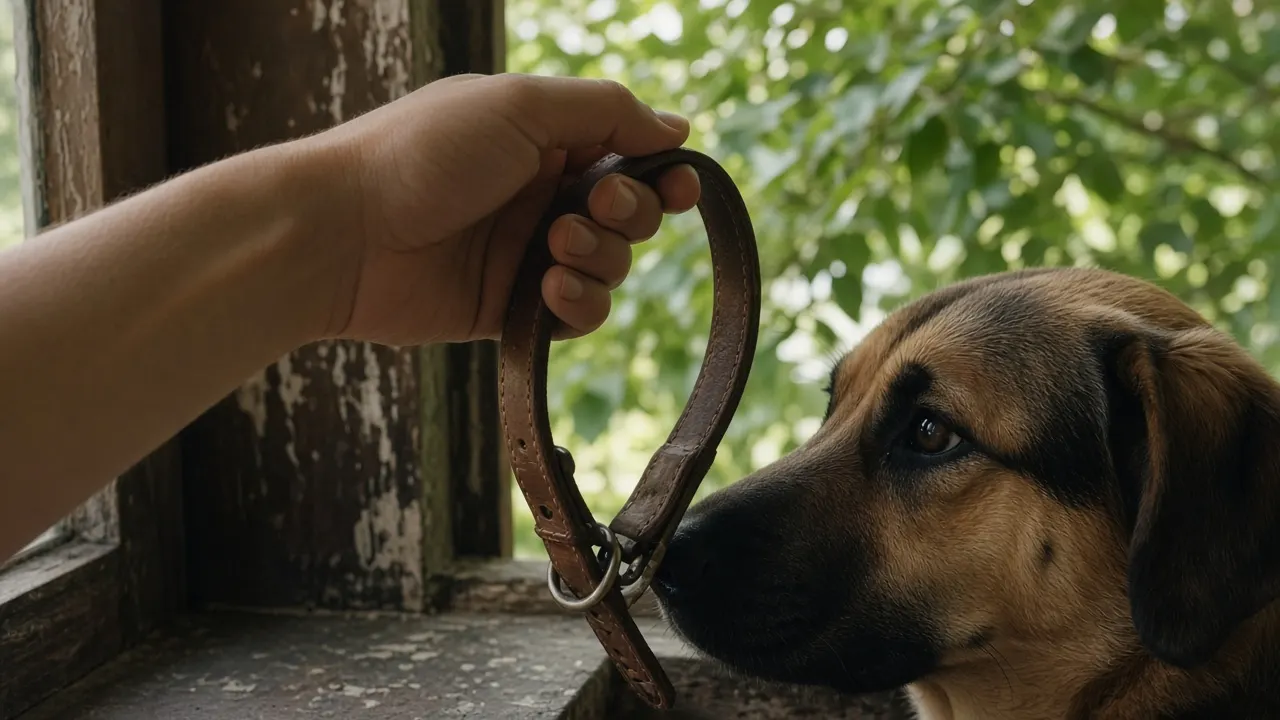
Nothing, until you're ready. Some people pack everything away within days because seeing it hurts; others leave the bed in place for months. Both are normal. When you're ready, you might keep one or two favorite things, pass unused food and bedding to a local shelter in Clayton, and put the collar somewhere safe. There's no deadline for any of it.


Sources and our estimates
- [1] 53% of US households own a dog, which is about 71 million households. American Pet Products Association (APPA) 2025 State of the Industry, 2025.
- [2] US dogs have an average life expectancy at birth of 12.69 years. Montoya et al. 2023, Frontiers in Veterinary Science - Banfield Pet Hospital life expectancy tables (13.3 million dogs, 2.4 million cats, 2013-2019), 2023.
- [3] 39% of US households own a cat, which is about 53 million households. American Pet Products Association (APPA) 2025 State of the Industry, 2025.
- [4] US cats seen at Banfield hospitals have an average life expectancy at birth of 11.18 years. Montoya et al. 2023, Frontiers in Veterinary Science - Banfield Pet Hospital life expectancy tables (13.3 million dogs, 2.4 million cats, 2013-2019), 2023.
- [5] The NFDA projected North Carolina's cremation rate at 57.3% for 2024. NFDA 2024 Cremation & Burial Report state projections (via Occasional Sage), 2024.
- [6] 61% of US owners in the Cooney survey rated the cost of after-death body care as a concern (27.9% concerned, 33.1% very concerned). Cooney, Kogan, Brooks, Ellis - Pet Owners' Expectations for Pet End-of-Life Support and After-Death Body Care, Topics in Companion Animal Medicine (2020), 2020.
- [7] Each year about 110,000 U.S. pet owners may go on to meet prolonged grief disorder criteria after a pet dies. Our estimate: 1.5M pet cremations (proxy for pet deaths with an engaged owner) x 7.5% PGD rate. How we calculate.
Tell us what would help
Tell us what you need and where you are. We'll reply by email with clear options and prices so you can decide in your own time.