Missing them in Wake Forest: where to find pet loss support
Roughly 21,500 Wake Forest households have a dog or cat, by our estimate. Losing one is common, but it rarely feels ordinary. Here's how to find support that takes it seriously.
- Rituals for the first weeks and the first year
- Groups that meet in person or by video
- Plain answers about guilt after euthanasia
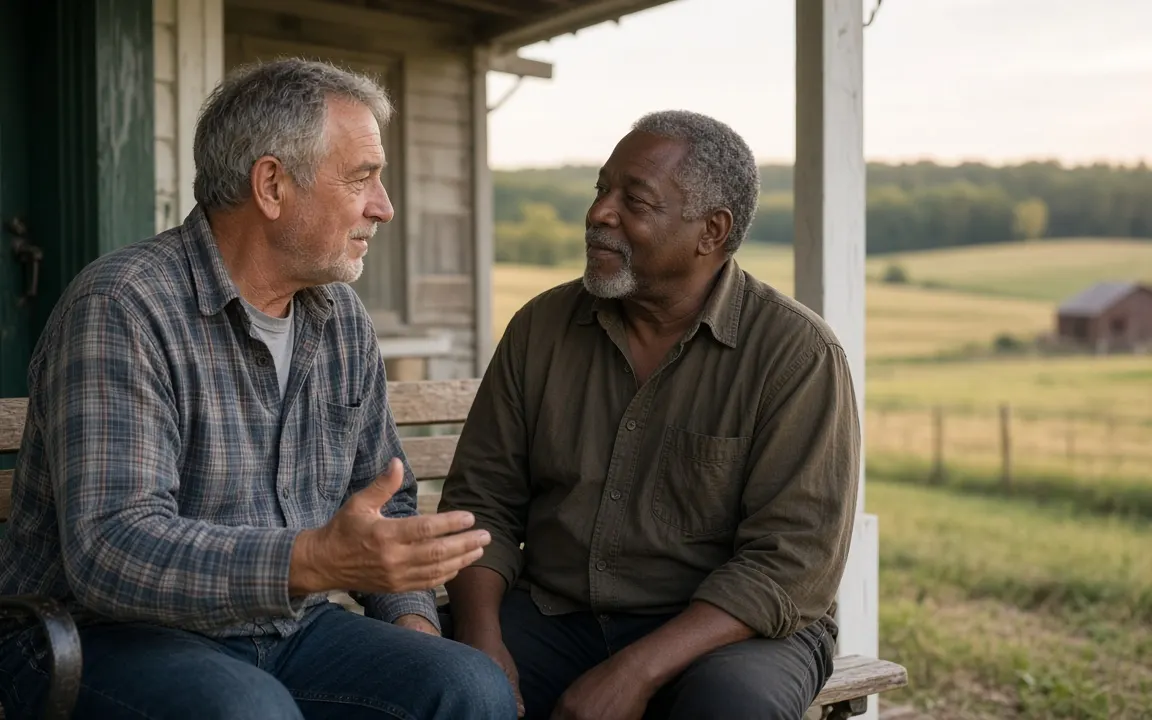
Wake Forest, North Carolina
Missing a pet in Wake Forest
Some Wake Forest households say a quiet goodbye in the living room, then let the provider take their pet away. Others invite neighbors into the yard once the ashes are back, share a few stories and plant something. If you would rather spend unhurried time with your animal on a provider's premises, Raleigh-area services can explain what they offer. Choose whatever feels right for your household.
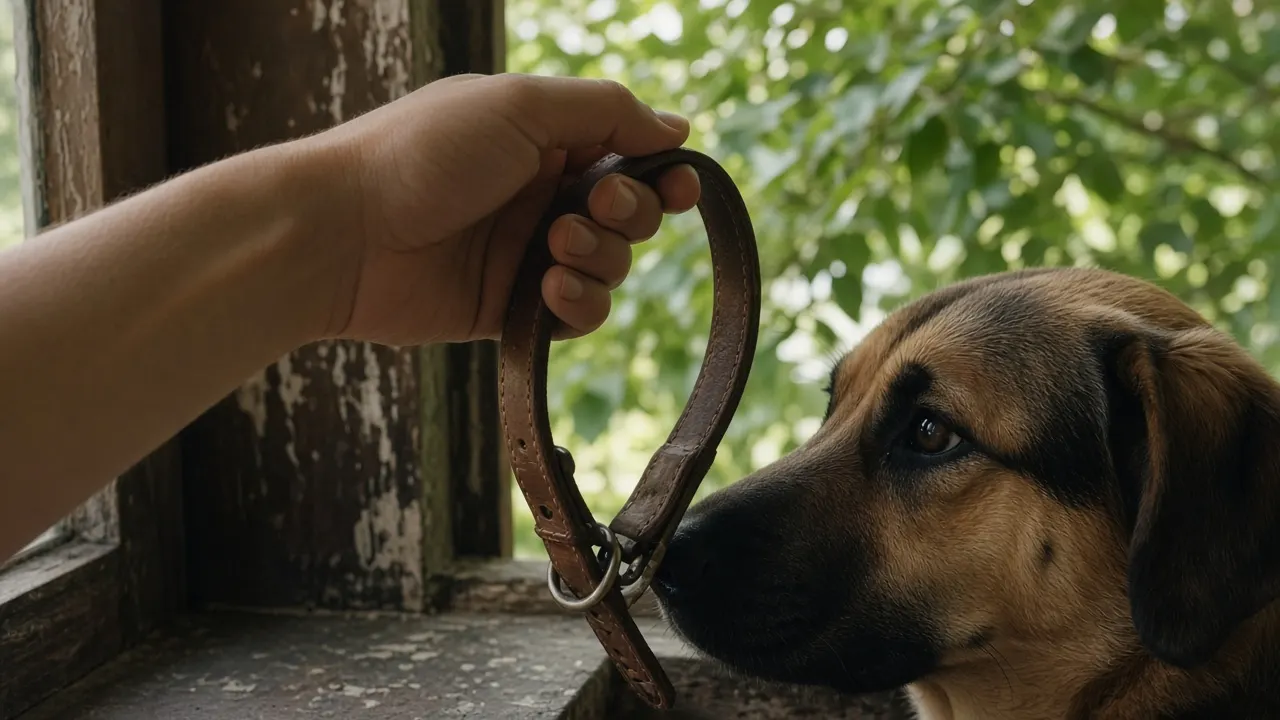
For young families in Wake Forest's growing neighborhoods, a pet's death may be a child's first real loss. Gentle but honest words work best, and children usually cope better when they are included. Letting them pick a spot for a stone or decorate a box for the collar gives them a role. A school counselor can help if sadness drags on.
Churches, libraries and community halls in places like Wake Forest occasionally host bereavement groups that welcome anyone grieving, including for a pet. They're not always advertised as pet loss groups, so a quick call to ask is worthwhile. Some people find a general grief group comforting precisely because it treats every loss as real and doesn't rank one kind of loss against another.
Wake Forest's population is around 58,147, the 20th-largest of the 64 North Carolina communities we cover. Raleigh, roughly 14 miles off, is the closest larger centre, and a share of the providers who cover Wake Forest run from there.
Our pages for Knightdale (12 miles), Raleigh (15 miles, a larger centre) and Wendell (15 miles) describe the same choices from those towns' point of view, and the providers overlap, so a quote from one often covers Wake Forest as well.
Our estimate
21,500
Estimated dog- or cat-owning households in Wake Forest
How we calculated this
58,147 ÷ 2.5 = 23,259 households; × 53% (dog) + 39% (cat) = 21,500. Homes are counted once however many pets they keep.
Our estimate
1,800
Estimated dog and cat losses in Wake Forest each year
How we calculated this
21,500 dog/cat-owning homes ÷ average lifespan (dog: 12.69 yrs + cat: 11.18 yrs) ≈ 1,800 a year. Treat it as a minimum.
53%[1]
53% of US households own a dog, which is about 71 million households.
12.69 years[2]
US dogs have an average life expectancy at birth of 12.69 years.
39%[3]
39% of US households own a cat, which is about 53 million households.
11.18 years[4]
US cats seen at Banfield hospitals have an average life expectancy at birth of 11.18 years.
If a number here surprises you, the primary material is American Pet Products Association (APPA) 2025 State of the Industry and Montoya et al. 2023, Frontiers in Veterinary Science; we only apply it to this.

Funeral customs in North Carolina and pet grief
With cremation at about 57.3%[5] in North Carolina, local customs sit somewhere between formal and relaxed. That middle ground can make it hard to know how much to say about a pet's death at work or among neighbors. A useful rule: share what you'd share about any close loss. A short message, a day or two of quiet and one gathering if you want it is not too much.
Source for the North Carolina number: NFDA 2024 Cremation & Burial Report state projections (via Occasional Sage) (2024). Nobody publishes a pet cremation rate for Wake Forest, so the human figure is the best local signal available.
Wake Forest's seasons and your grief
Summer evenings in Wake Forest are often the most comfortable part of the day once the July heat eases. That makes them a natural time for a small remembrance: friends on the porch as the light goes, a candle in a jar, a few stories told out loud. Dusk suits grief. Nobody has to make eye contact, and the silences feel shared rather than awkward.
Wake Forest summers are hot, with July highs averaging around 91°F. If your pet loved the outdoors, the heat can make the old routine feel even emptier: the early walk you took before the day warmed up still wakes you at the same time. Some people keep that hour for themselves, with a coffee on the porch or a short walk, as a quiet way to remember.
What pet loss support costs in Wake Forest
Paid pet loss leave is rare: only 11%[6] of US employers offer it, according to AbsenceSoft. That means grief can cost you vacation days as well as vet bills, so it's worth asking your manager anyway. Below are national averages for the aftercare decisions many Wake Forest families face, alongside the typical cost of each kind of support.
Rather than repeat the price table on every city page, we keep one for North Carolina: North Carolina costs. What each service includes is on the services page.

Free tool
Memorial budget planner
Add up cremation, urn, keepsakes and a farewell so the total holds no surprises.
Permissions worth checking in North Carolina
Rules rarely come up in grief until you want to bury your pet in the yard, scatter ashes somewhere meaningful or take time off work. Burial and scattering are set locally, while pet bereavement leave is almost never required by law, so it depends on your employer. Where we have details for North Carolina, they're below; your city or local council can confirm anything else.
The official North Carolina local government directory lists every county and city office, which is the quickest way to find who to ask in Wake Forest.
For North Carolina's rules on burying a pet at home or scattering ashes, see the North Carolina guide. Local rules in Wake Forest can be stricter than the state's, especially in homeowners' associations and rentals.
Small steps for the days after a loss
- Let the first day be simple. Eat something, drink water and tell one person what happened. Nothing else has to be decided today.
- Leave their things where they are for as long as you want. Washing the bed and clearing the bowls can happen whenever you're ready, not before.
- Tell the people who need to know, and keep it short: relatives, one close friend, and your boss if you'll be off. A single sentence by text will do.
- Mark the loss in a small way, like lighting a candle, writing down the last good day or sharing a favorite photo.
- Find one source of support that suits you: a pet bereavement line, an online group or a friend who's been through it.
- Check in with yourself after a couple of weeks. Still not sleeping, not eating, or struggling to get through work? That's a good moment to think about a counselor. Our private grief check-in is one way to weigh it up.
Rituals and remembrance in Wake Forest
Losing an animal can knock the rhythm out of a household for weeks. If you are still struggling, pet loss counselors and peer groups in the Raleigh area take this grief seriously, and reaching out is sensible. A quiet ritual can help too, like retracing a familiar route on the anniversary or giving to a local rescue in the animal's name.
the guides answer the longer questions and the blog the newer ones, For a plain comparison of the choices, open services, or see what other families chose in the poll results, the planning tools turn your pet's details into figures. You can also browse every city in the United States. Nearby, we also cover Winston-Salem, Durham, Greensboro and Fayetteville, and every city in North Carolina.

Reader polls
What would you choose?
Vote anonymously and see how other readers answered. The results are live counts from people who visit this site, so they show real opinions, not a scientific sample.
How did your workplace respond when your pet died?
Tap an answer to vote and see how others answered. Anonymous.
Which kind of support have you tried since your loss?
Tap an answer to vote and see how others answered. Anonymous.
If you had to decide today, which aftercare would you choose for your pet?
Tap an answer to vote and see how others answered. Anonymous.

Free tools to help you plan
Memorial budget planner
Add up cremation, urn, keepsakes and a farewell so the total holds no surprises.

Pet loss grief check-in
A private, two-minute check-in on how you're coping, with ideas that match where you are.

Farewell & memorial service planner
Build a simple goodbye: who, where, readings, rituals and a checklist.
Questions people ask
When is the hardest time of year to arrange a burial in Wake Forest?
January: average lows are below freezing then, and frozen ground makes a home grave slow or impossible until it thaws. The other pressure point is July, when highs around 91°F mean a body needs cooling and collecting quickly.
Why does the Wake Forest page quote a human cremation rate?
Because it is the best local signal we have. NFDA 2024 Cremation & Burial Report state projections (via Occasional Sage) (2024) reports about 57.3%[5] of North Carolina residents are cremated. There is no official pet equivalent, and inventing one would be worse than quoting a real, clearly labelled number.
Will I have to travel to Raleigh to arrange things?
Not usually. Providers based in Raleigh (roughly 14 miles from Wake Forest) collect from here as a matter of routine, and the paperwork is done by email or phone. If you want to be present for a witnessed cremation, that is when the drive matters.
Roughly how many pets die in Wake Forest each year?
Our estimate is around 1,800. It comes from Wake Forest's population (about 58,147), the average household size, the share of homes with a dog or cat (about 21,500 households here) and the average lifespan. It is arithmetic, not a count, so read it as a rough floor.
Is it normal to feel relief after my pet died?
Yes, especially after a long illness or weeks of nursing care. Relief usually means the worry and the caregiving have ended, not that you loved them less. Many people feel relief and deep sadness on the same day, sometimes in the same hour. If the relief comes with guilt, try saying both out loud to someone you trust; hearing that the two can coexist often eases it.
How many people around Wake Forest are grieving a pet right now?
Our estimate is that Wake Forest loses about 1,800 dogs and cats a year, and each of those losses touches a household, sometimes several people. So even when it feels as if nobody understands, there are very likely people nearby going through the same thing this month. Saying it out loud, to a neighbor, a colleague or a group, is often how you find them.


Sources and our estimates
- [1] 53% of US households own a dog, which is about 71 million households. American Pet Products Association (APPA) 2025 State of the Industry, 2025.
- [2] US dogs have an average life expectancy at birth of 12.69 years. Montoya et al. 2023, Frontiers in Veterinary Science - Banfield Pet Hospital life expectancy tables (13.3 million dogs, 2.4 million cats, 2013-2019), 2023.
- [3] 39% of US households own a cat, which is about 53 million households. American Pet Products Association (APPA) 2025 State of the Industry, 2025.
- [4] US cats seen at Banfield hospitals have an average life expectancy at birth of 11.18 years. Montoya et al. 2023, Frontiers in Veterinary Science - Banfield Pet Hospital life expectancy tables (13.3 million dogs, 2.4 million cats, 2013-2019), 2023.
- [5] The NFDA projected North Carolina's cremation rate at 57.3% for 2024. NFDA 2024 Cremation & Burial Report state projections (via Occasional Sage), 2024.
- [6] Only 11% of employers offer paid pet loss leave, according to an AbsenceSoft survey. AbsenceSoft — Understanding Pet Bereavement Leave and Its Importance to Today's Workforce, 2025.
- [7] Each year about 110,000 U.S. pet owners may go on to meet prolonged grief disorder criteria after a pet dies. Our estimate: 1.5M pet cremations (proxy for pet deaths with an engaged owner) x 7.5% PGD rate. How we calculate.
Find pet loss support in Wake Forest
Tell us what you need and where you are. We'll reply by email with clear options and prices so you can decide in your own time.