Pet bereavement support for North Vancouver families
Missing a pet in North Vancouver can feel lonely when everyone else keeps moving. Here's what pet grief is really like, where people find support locally and online, and what it usually costs.
- Support that fits how you grieve
- Help for children and teenagers
- Wording for a time-off request at work
North Vancouver, British Columbia
What grieving a pet in North Vancouver can be like
Grief after losing a pet can feel out of proportion to the people around you, especially in a busy place where life moves quickly. In the Vancouver area there are pet loss support groups and counsellors who understand this kind of loss. Reaching out a few weeks later, when the first shock has worn off, is completely normal and often helps.
North Vancouver has a strong outdoor culture, and grief often catches people on the routines they shared with their pet: the morning coffee by the window, the stretch of trail they always took, the quiet at the door in the evening. A simple farewell at home before collection is common here, as is a small gathering later on. There is no single right way to mark the loss.
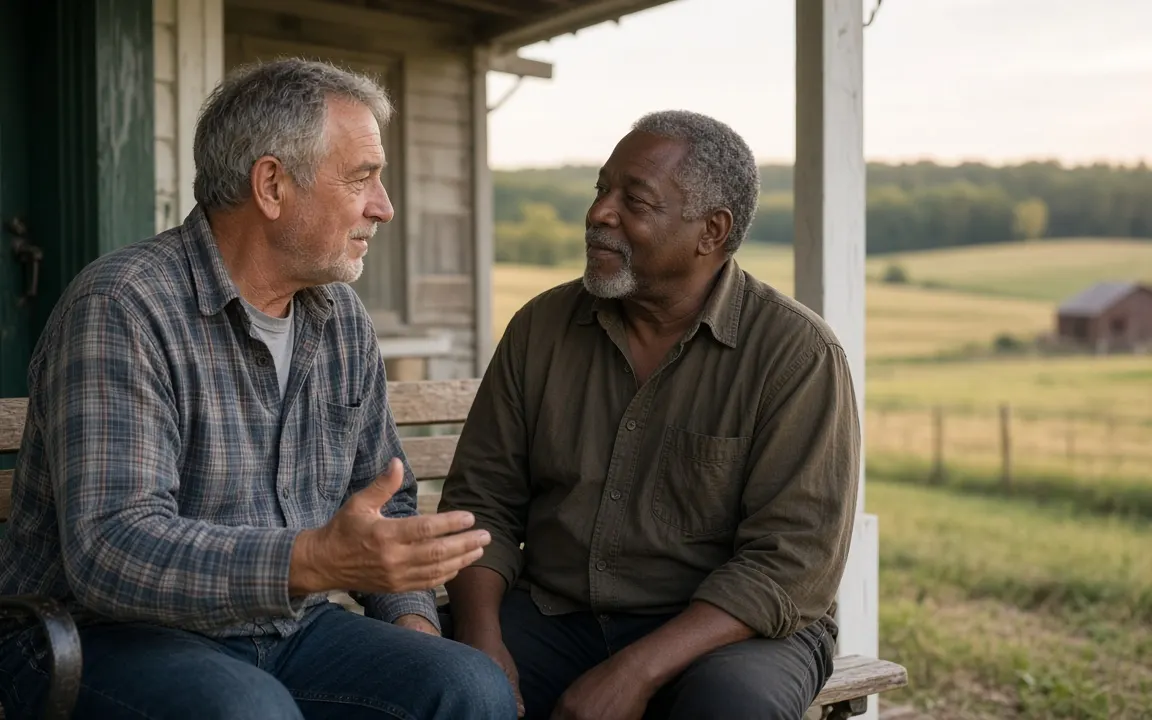
Farm and rural owners around North Vancouver sometimes feel they aren't allowed to grieve a working dog or a barn cat as deeply as a city owner grieves a lapdog. Grief follows closeness, not breed or job, and research on pet loss backs that up. If you spent every day with them, through every season and every chore, missing them this much makes complete sense.
About 58,000 people live in North Vancouver, which makes it the 5th-largest of the 6 British Columbia communities we cover. Some of the providers who serve North Vancouver are based about 3 miles away in Vancouver, the nearest larger centre, so collection times reflect that drive.
Families in North Vancouver often end up using a provider from Vancouver (3 miles, a larger centre), West Vancouver (5 miles) and Surrey (19 miles, a larger centre). That is normal: crematories serve a radius, not a single town, and the drive is priced into collection.
87%[1]
British Columbia's cremation rate is estimated at about 87%, the highest in Canada.
7.5%[2]
7.5% of UK adults whose bereavement was the death of a pet met criteria for prolonged grief disorder (PGD).
34.5%[3]
34.5% of bereaved pet owners were told 'it's just a pet'.
56.7%[4]
56.7% of bereaved pet owners in the RSPCA survey could not find the support they needed.
Where these figures come from: Hyland et al., 'No pets allowed: Evidence that prolonged grief disorder can occur following the death of a pet', PLOS ONE (2026) and RSPCA.
Local customs around grief and cremation
With cremation chosen for roughly 87%[1] of deaths in British Columbia, many families here mark a death with a celebration of life rather than a somber service. Some grieving pet owners find that tone helps; laughing about the dog who stole a whole roast is part of remembering. Others aren't ready to celebrate anything yet. If your grief is still raw, a quieter gathering is just as valid.
The British Columbia figure comes from DFS Memorials 'Cremation Nation' (estimate citing CANA) (2025). It describes people, not pets, so read it as a sign of local attitudes rather than a pet statistic.
Weather, seasons and remembrance in North Vancouver
Seasons shape grief more than people expect. The first spring walk, the first cold evening without them on your lap, the first holiday: each can bring a fresh wave. Knowing that ahead of time helps. A wave isn't a setback; it's a sign of how woven into your year your pet was.
What pet loss support costs in North Vancouver
In Canada, 988 is free by call or text at any hour, and many humane societies and veterinary colleges share pet loss resources at no cost. Private counseling is charged per session; check whether a workplace employee assistance program or extended health plan covers some sessions. The table shows published aftercare prices from Canadian providers, since many North Vancouver families face those decisions in the same week.
The full price table by product is on our British Columbia page, and the services page explains what each option includes.

Free tool
Memorial budget planner
Add up cremation, urn, keepsakes and a farewell so the total holds no surprises.
Practical rules worth knowing in British Columbia
Rules rarely come up in grief until you want to bury your pet in the yard, scatter ashes somewhere meaningful or take time off work. Burial and scattering are set locally, while pet bereavement leave is almost never required by law, so it depends on your employer. Where we have details for British Columbia, they're below; your city or local council can confirm anything else.
In Canada, 988 is available by call or text at any hour for anyone in distress, including grief after a pet. Veterinary colleges and humane societies in several provinces share pet loss resources, and many groups now meet online. Winters are long in most of the country, so many families keep ashes at home and hold a burial or planting in spring.
For British Columbia's rules on burying a pet at home or scattering ashes, see the British Columbia guide. Local rules in North Vancouver can be stricter than the state's, especially in homeowners' associations and rentals.
Small steps for the days after a loss
- Expect shock before sadness. When a pet dies without warning, the first days often bring numbness, a racing mind or a sense it can't be true. None of that means you loved them less.
- Get the facts you need, then stop searching. A single talk with the vet about how it happened settles many of the what-ifs. A long night of googling tends to create new ones.
- Hand one practical task to someone else, like calling relatives or collecting the collar from the clinic.
- Sleep and eat on a simple schedule, whether or not you feel like it. Shock wears the body down.
- Tell the story out loud within the first week to a friend, a pet bereavement line or an online group. Saying it tends to loosen its grip.
- Notice images that won't fade. If a distressing scene keeps replaying for weeks, a counselor can help, and asking early is sensible, not dramatic.
Keeping their memory close in North Vancouver
Many North Shore households include relatives in other parts of Canada or overseas, so a farewell sometimes needs to happen over a video call. That can still feel meaningful: a few words, a photo, a candle lit at the same time in different places. If you want a more formal pet funeral, ask a provider whether a viewing room or home visit is available.
or see how other readers answered in our polls, look through our guides and the blog, try the free planning tools, The services page is the place to compare what is included. You can also browse every city in Canada. Nearby, we also cover West Vancouver, Kelowna, Victoria and Surrey, and every city in British Columbia.

Reader polls
What would you choose?
Vote anonymously and see how other readers answered. The results are live counts from people who visit this site, so they show real opinions, not a scientific sample.
How did your workplace respond when your pet died?
Tap an answer to vote and see how others answered. Anonymous.
How do you mark the day your pet died?
Tap an answer to vote and see how others answered. Anonymous.
If you had to decide today, which aftercare would you choose for your pet?
Tap an answer to vote and see how others answered. Anonymous.

Free tools to help you plan
Memorial budget planner
Add up cremation, urn, keepsakes and a farewell so the total holds no surprises.

Pet loss grief check-in
A private, two-minute check-in on how you're coping, with ideas that match where you are.

Farewell & memorial service planner
Build a simple goodbye: who, where, readings, rituals and a checklist.
Questions people ask
How do British Columbia attitudes to cremation compare?
DFS Memorials 'Cremation Nation' (estimate citing CANA) (2025) puts the British Columbia human cremation rate at about 87%[1]. We show it on the North Vancouver page because pet aftercare choices tend to track it: where cremation is normal for people, communal and private pet cremation are both easy to find.
Will I have to travel to Vancouver to arrange things?
Not usually. Providers based in Vancouver (roughly 3 miles from North Vancouver) collect from here as a matter of routine, and the paperwork is done by email or phone. If you want to be present for a witnessed cremation, that is when the drive matters.
Can a provider from a neighbouring town collect from North Vancouver?
Usually yes. Vancouver is about 3 miles away, West Vancouver is about 5 miles away and Surrey is about 19 miles away, all inside a normal collection radius. Get the mileage written into the quote so there is no surprise on the day.
What should I say when someone asks how my pet is?
A short answer you've prepared helps, because the question tends to come at the grocery store or the school gate when you least expect it. Something like 'He died last month, and we miss him a lot' is enough. You can say more if you want to talk, or change the subject if you don't. Most people respond kindly once they know, and many share a story of their own.
Should my child see a counselor after our pet died?
Most children cope well with honest words, a role in the goodbye and adults who let them be sad. Consider extra help if, weeks later, a child still struggles to sleep, won't go to school, becomes very anxious about people dying or seems stuck. A school counselor or your family doctor in North Vancouver is a sensible first step, and they'll tell you if more is needed.
Why do I feel so guilty after putting my pet to sleep?
Because you were responsible for them and had to decide with incomplete information. Guilt is one of the most common reactions after euthanasia, even when the timing was right. Most pets now die this way: in a large US study, 83.0%[6] of dog deaths were by euthanasia. Writing down what you knew on the day, and talking it through with someone, usually eases the loop.


Sources and our estimates
- [1] British Columbia's cremation rate is estimated at about 87%, the highest in Canada. DFS Memorials 'Cremation Nation' (estimate citing CANA), 2025.
- [2] 7.5% of UK adults whose bereavement was the death of a pet met criteria for prolonged grief disorder (PGD). Hyland et al., 'No pets allowed: Evidence that prolonged grief disorder can occur following the death of a pet', PLOS ONE (2026), 2026.
- [3] 34.5% of bereaved pet owners were told 'it's just a pet'. RSPCA — Pet Loss Survey Results, 2026.
- [4] 56.7% of bereaved pet owners in the RSPCA survey could not find the support they needed. RSPCA — Pet Loss Survey Results, 2026.
- [5] About 7 in every 100 UK adults may have had a pet's death hit harder than any human loss. Our estimate: 32.6% have lost a pet x 21% chose pet as most distressing. How we calculate.
- [6] In the Dog Aging Project, 83.0% of 646 US dog deaths (Dec 2019-Mar 2021) were by euthanasia. Dog Aging Project End of Life Survey - Journal of the American Veterinary Medical Association (2026), via PubMed Central, 2026.
Find pet loss support in North Vancouver
Tell us what you need and where you are. We'll reply by email with clear options and prices so you can decide in your own time.