When your pet dies in Surrey: support for the grief
In a large UK survey, 56.7%[1] of bereaved owners couldn't find the support they needed. This page is about closing that gap in Surrey, with free and paid options explained.
- Free groups and helplines, explained
- Counselors who understand animal loss
- Crisis numbers if things feel too heavy
Surrey, British Columbia
Finding your footing after a loss in Surrey
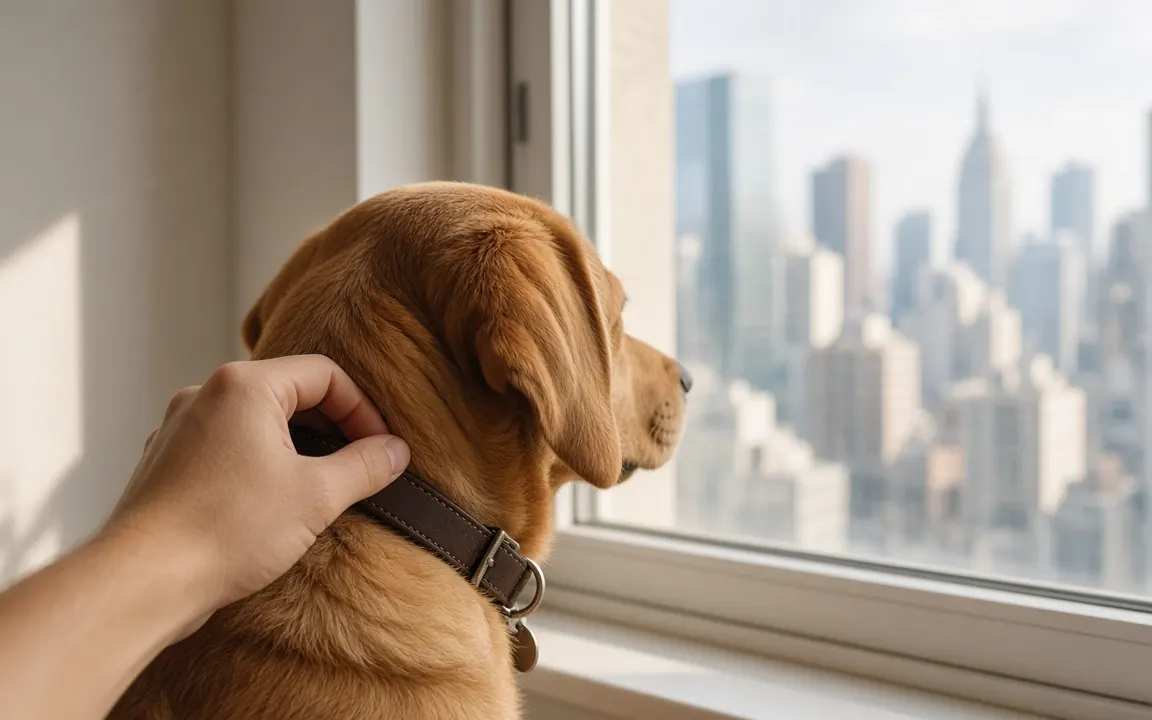
Surrey's long, rainy season, from October through spring, can make an empty house feel emptier. If the routines built around a pet, the feeding times, the greeting at the door, the weight on the couch, have left a gap, fill a little of it with something deliberate: a photo in a new frame, a donation to an animal rescue, or an evening with friends who knew your pet.
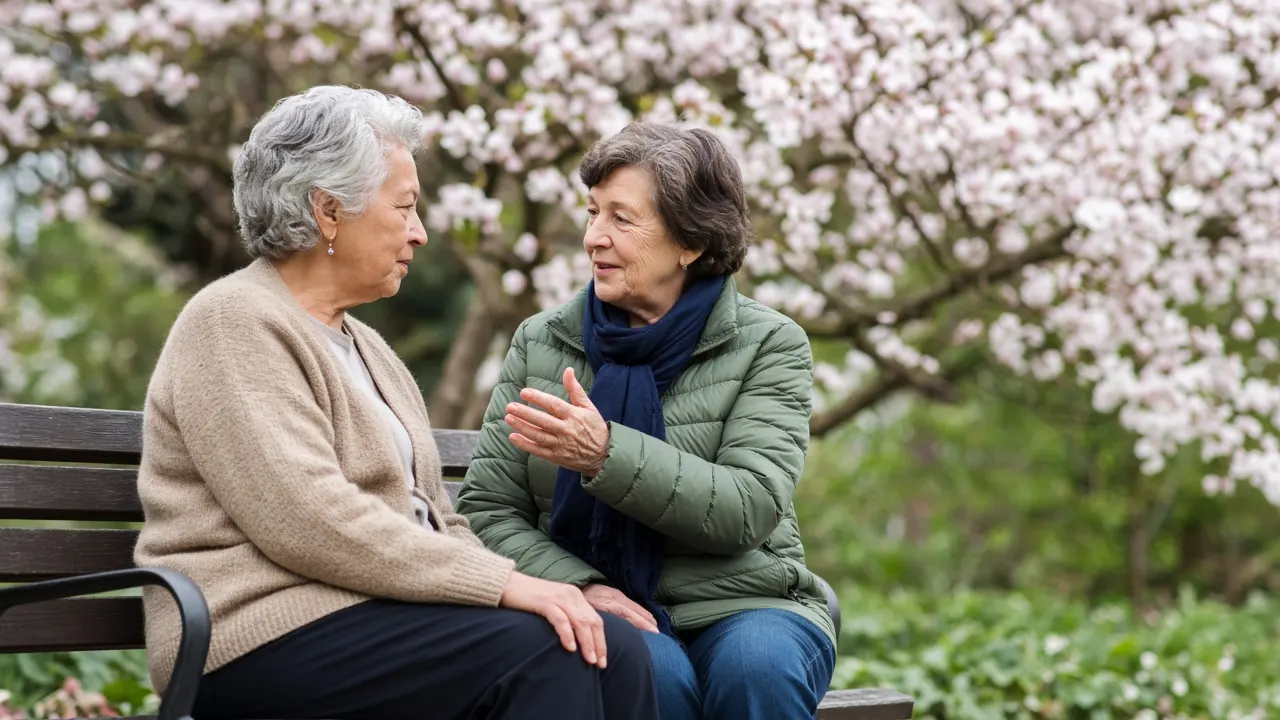
Grief does not always look the same across generations in a Surrey household. A grandparent may have spent every day with the pet while parents were at work, and may feel the loss most quietly. Checking in with them, and with the children, in the weeks that follow matters. Pet loss support groups and counselors in the Lower Mainland can help anyone who is struggling.
A large city like Surrey can offer too much choice: several groups, dozens of therapists, workshops and memorial evenings. When you're exhausted, a long list feels like homework. Try narrowing it with one question: do I want to talk, listen or do something with my hands? Talkers tend to do well one-to-one, listeners in a group, and doers at a volunteering shift or a making session. Start there and adjust.
Surrey's population is around 568,000, the 2nd-largest of the 6 British Columbia communities we cover.
If you want to compare providers, look at Vancouver (19 miles), North Vancouver (19 miles) and West Vancouver (24 miles). Distance matters because pickup fees and the time until the ashes come back both grow with the drive.
87%[2]
British Columbia's cremation rate is estimated at about 87%, the highest in Canada.
7.5%[3]
7.5% of UK adults whose bereavement was the death of a pet met criteria for prolonged grief disorder (PGD).
34.5%[4]
34.5% of bereaved pet owners were told 'it's just a pet'.
56.7%[1]
56.7% of bereaved pet owners in the RSPCA survey could not find the support they needed.
The published sources behind those figures are Hyland et al., 'No pets allowed: Evidence that prolonged grief disorder can occur following the death of a pet', PLOS ONE (2026) and RSPCA.
Funeral customs in British Columbia and pet grief
Where cremation is as common as it is in British Columbia (about 87%[2] of deaths), a memorial often happens weeks after a death rather than within days. That delay suits pet grief well. You don't have to organize anything while you're still in shock; a gathering, a walk or a planting can come a month or two later, when you know what you want to say.
The British Columbia percentage above is from DFS Memorials 'Cremation Nation' (estimate citing CANA) (2025) and refers to human funerals. Treat it as context for Surrey, not as a count of pets.
When Surrey's weather meets a hard season
Planting something in your pet's memory is one of the most common rituals, and it works in almost any climate. Choose something that suits local conditions and flowers or changes color at a time that means something to you. If you're adding ashes, mix them well into plenty of soil, since ashes alone are very alkaline.
What's free, and what isn't, in Surrey
Canadians tend to arrange aftercare through their vet, often on the same day as the goodbye, which leaves little room to compare. Knowing typical prices in advance takes some pressure off. On the support side, most help costs nothing, and paid counseling is often partly covered through workplace benefits; it's worth checking yours before you book.
We keep the detailed British Columbia price table on one page so it stays current: see British Columbia prices.

Free tool
Memorial budget planner
Add up cremation, urn, keepsakes and a farewell so the total holds no surprises.
Before an outdoor goodbye in British Columbia
If there's any chance you'll move in the next few years, think about that before a home burial in British Columbia. Many families later wish they'd chosen something portable, like ashes in a keepsake or a memorial stone that can come along. That isn't a rule, just a common regret worth hearing now. The official points for British Columbia are below.
In Canada, 988 is available by call or text at any hour for anyone in distress, including grief after a pet. Veterinary colleges and humane societies in several provinces share pet loss resources, and many groups now meet online. Winters are long in most of the country, so many families keep ashes at home and hold a burial or planting in spring.
Home burial and scattering are governed at the British Columbia level first; our British Columbia rules summary has the detail. Then check whether Surrey or your HOA adds anything.
What to do while the grief is new
- Get the full story from whoever was with them: the sitter, the boarding kennel or the vet. Knowing what happened, and that they weren't alone, often matters most.
- Forgive yourself for being away. Pets often die during an ordinary workday, overnight or when their people are on a trip. Not being there isn't a failure.
- Hold your own goodbye once you're home. Sit with the ashes or at the grave, go through the photos, or call the clinic to see if you can still view them.
- Thank the person who cared for them. They may be grieving too, and worried that you blame them.
- Put into words what you'd have said had you been in the room, and keep it as a letter or a card.
- Talk it over with someone if the thought of not being there keeps returning; pet bereavement lines hear this worry often. You can also ask us for support options.
Remembering your pet around Surrey
In Surrey's multigenerational homes, a pet's death is often felt by grandparents, parents and children at once. Gathering at home before collection lets everyone say goodbye together, and a farewell can include whatever your family finds meaningful: an ardas or other prayer, a hymn, a few words from each person, or simply sitting together in silence. There is no wrong way to do it.
there are guides for the big decisions and articles for the details, the planning tools turn your pet's details into figures, or look at how readers voted in our polls, For a plain comparison of the choices, open services. You can also browse every city in Canada. Nearby, we also cover West Vancouver, Victoria, North Vancouver and Vancouver, and every city in British Columbia.

Reader polls
What would you choose?
Vote anonymously and see how other readers answered. The results are live counts from people who visit this site, so they show real opinions, not a scientific sample.
How do you mark the day your pet died?
Tap an answer to vote and see how others answered. Anonymous.
Which kind of support have you tried since your loss?
Tap an answer to vote and see how others answered. Anonymous.
If you had to decide today, which aftercare would you choose for your pet?
Tap an answer to vote and see how others answered. Anonymous.

Free tools to help you plan
Memorial budget planner
Add up cremation, urn, keepsakes and a farewell so the total holds no surprises.

Pet loss grief check-in
A private, two-minute check-in on how you're coping, with ideas that match where you are.

Farewell & memorial service planner
Build a simple goodbye: who, where, readings, rituals and a checklist.
Questions people ask
Why does the Surrey page quote a human cremation rate?
Because it is the best local signal we have. DFS Memorials 'Cremation Nation' (estimate citing CANA) (2025) reports about 87%[2] of British Columbia residents are cremated. There is no official pet equivalent, and inventing one would be worse than quoting a real, clearly labelled number.
Which nearby towns can I compare with Surrey?
The closest communities we cover are Vancouver (about 19 miles), North Vancouver (about 19 miles) and West Vancouver (about 24 miles). Providers based in those places often serve Surrey too. Ask each one for a written total that includes collection, so the distance is priced in.
Do other pets grieve when a companion animal dies?
Many owners notice changes: searching the house, eating less, sleeping more or becoming clingier. These usually settle over a few weeks. Keep routines steady, give a little extra attention and avoid big changes to their environment for a while. If appetite or behavior changes last or worry you, ask your vet to check them over.
What should I say when someone asks how my pet is?
A short answer you've prepared helps, because the question tends to come at the grocery store or the school gate when you least expect it. Something like 'He died last month, and we miss him a lot' is enough. You can say more if you want to talk, or change the subject if you don't. Most people respond kindly once they know, and many share a story of their own.
Where can I scatter my pet's ashes near Surrey?
Private land with the owner's permission is simplest. Parks, beaches, lakes and other public land often have their own rules, so check with the park or local authority first. Choose a quiet spot away from paths and water intakes, and consider keeping a little back in a keepsake so you still have something to hold. Many people find a scattering with a few friends becomes a meaningful ritual.
Who can I call in Canada if I'm struggling after my pet died?
Call or text 988 at any hour if you're in distress or thinking about harming yourself; it's there for every kind of grief, including this one. For pet-specific support, ask your vet, local humane society or SPCA whether they run or know of a pet loss group, and look for online groups that meet in your time zone.


Sources and our estimates
- [1] 56.7% of bereaved pet owners in the RSPCA survey could not find the support they needed. RSPCA — Pet Loss Survey Results, 2026.
- [2] British Columbia's cremation rate is estimated at about 87%, the highest in Canada. DFS Memorials 'Cremation Nation' (estimate citing CANA), 2025.
- [3] 7.5% of UK adults whose bereavement was the death of a pet met criteria for prolonged grief disorder (PGD). Hyland et al., 'No pets allowed: Evidence that prolonged grief disorder can occur following the death of a pet', PLOS ONE (2026), 2026.
- [4] 34.5% of bereaved pet owners were told 'it's just a pet'. RSPCA — Pet Loss Survey Results, 2026.
- [5] Each year about 110,000 U.S. pet owners may go on to meet prolonged grief disorder criteria after a pet dies. Our estimate: 1.5M pet cremations (proxy for pet deaths with an engaged owner) x 7.5% PGD rate. How we calculate.
Ask us to look for support near you
Tell us what you need and where you are. We'll reply by email with clear options and prices so you can decide in your own time.